A Conversation Before Treatment
If you’re in Haledon, Caldwell, or a nearby New Jersey community and considering replacing one or more missing teeth, an initial implant consultation is a chance to get answers. It is an evaluation and planning visit, not a commitment to treatment. You can talk openly about your concerns, goals, budget, and any nervousness. The American Academy of Implant Dentistry’s consultation guide describes the visit as a time to discuss your needs and learn about possible next steps.
At Belmont Dental Associates, 3-D imaging supports precise diagnostics, and sedation services are available to discuss if anxiety is part of your concern. Transparent pricing and the in-house Belmont Dental Plan can also help patients without insurance ask about affordability; confirm which options apply to your proposed treatment.
The office’s same-day crown technology supports crown procedures; it does not mean implants can be placed the same day. An implant plan depends on your examination, imaging, and healing needs, so ask what timing is appropriate for you. Your consultation should leave you with a clearer picture of the choices and next steps, without pressure to decide on the spot.
What Happens During the Consultation
During a dental implant consultation, your dentist will review your medical and dental history, including medications, health conditions, smoking, past dental work, and any concerns that could affect healing. Sharing these details helps the team consider your circumstances and explain possible next steps.
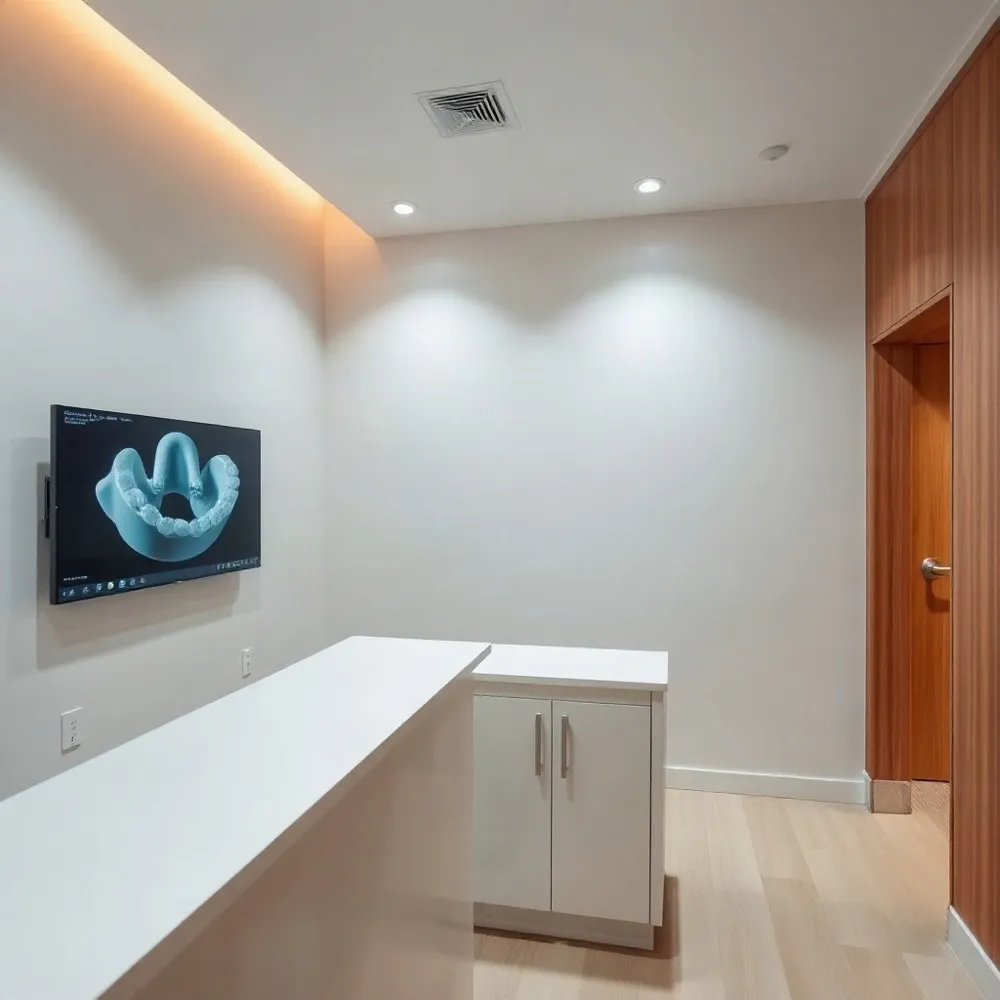
The examination may include your teeth, gums, bite, and the area where a tooth is missing or may need replacement. X-rays or 3-D imaging can help assess the jawbone and nearby structures as part of treatment planning. Belmont Dental Associates uses 3-D imaging for diagnostics, helping the dental team evaluate your needs without assuming a particular scan or procedure is right for everyone.
Your goals matter, too. Tell the dentist whether you want to restore appearance, chewing function, or both, and whether you need to replace one tooth or several. The proposed plan may include an individual implant and crown, an implant-supported bridge, or an implant-supported denture, depending on the examination and your preferences. The American Academy of Implant Dentistry’s consultation guidance also encourages patients to discuss their concerns and the outcome they hope to achieve.
Your dentist can explain the likely stages, timing, and estimated costs, along with whether same-day implant treatment is appropriate for your health and oral condition. You can ask about sedation and other comfort options; Belmont offers sedation services, and its in-house Belmont Dental Plan is available for patients seeking care without insurance. Ask the office which payment options apply to your proposed treatment.
You do not need to decide during the consultation. Leave with a clearer understanding of the recommended approach, alternatives, and next steps, then take time to consider the plan or follow up with questions.
How Candidacy Is Evaluated

There is no single checklist that decides whether implants are right for you. Your dentist considers gum health, the amount of supporting jawbone, general health, healing factors, and what you hope to restore. Research on single-tooth implant planning explains why the missing-tooth site and the planned replacement tooth are assessed together.
Untreated gum disease, infection, or other oral-health concerns may need care before implant placement. Limited bone can lead your dentist to discuss preparatory treatment, such as bone grafting. These findings do not automatically rule out implants. They help shape a safe plan and clarify whether another tooth-replacement option may fit better.
Be open about medical conditions, prescription medicines and supplements, tobacco use, and teeth grinding. These details can affect healing or the forces placed on a restoration, so sharing them helps your dentist plan around your circumstances. Smoking may raise healing concerns, but candidacy is assessed individually rather than decided by one factor alone.
At Belmont Dental Associates in New Jersey, we use 3-D imaging to support diagnostic assessment, and your dentist will also review your health history and examine your mouth. We offer sedation options to keep you comfortable during treatment, and we can help you choose the right option for your needs. If cost is a concern, ask about our insurance-free Belmont Dental Plan, which can make your care more affordable. For full details and eligibility, please confirm with our practice.
Questions That Clarify Your Plan
If you’re a New Jersey resident looking for reliable, affordable dental care, a consultation is easier to act on when you leave knowing what is being recommended, why it fits your needs, and what it may cost. Bring your questions in writing, and we’ll give you plain-language answers before you decide on treatment.
What should I ask my dentist before getting dental implants?
Start by asking whether implants may suit your overall health, the condition of your gums and jawbone, and how many teeth you want to replace. Ask about alternatives like bridges or dentures that might also meet your goals. Your dentist can explain how the implant and future restoration work together.
Next, ask what needs to happen before placement, what each step involves, and how long healing may take for you. Find out what follow-up visits are planned and how the team will check on your healing and support your long-term care. At Belmont Dental, we use 3-D imaging to get a clear picture of your mouth, which helps us plan your treatment.
We’ll discuss any potential risks and what to expect during recovery, so you feel fully prepared. If you feel nervous, let us know; we offer sedation options to keep you comfortable throughout your care.
Request a clear estimate that separates the recommended treatment from possible added procedures, such as bone grafting, and ask how your insurance benefits apply. For patients without insurance, ask whether the Belmont Dental Plan insurance-free payment option may be right for you. Confirm what it includes for your proposed care rather than assuming it covers implants.
At Belmont Dental, we encourage you to ask about our team’s experience and your personalized treatment timeline. A written plan and estimate can make it easier to review your options at home.
Preparing for Implant Surgery
The consultation is for evaluation and planning, not necessarily the day your implant is placed. Surgery or any preparatory treatment may be scheduled separately, giving you time to review the plan and ask follow-up questions. At Belmont Dental Associates, our same-day crown technology supports crown procedures; it does not determine implant timing. We’ll explain your evaluation and treatment options so you and your family can feel informed every step of the way.
What should I avoid before dental implant surgery?
Your dental team will give you specific instructions; be sure to follow them closely. Ask how far in advance to avoid smoking, alcohol, and recreational drugs, especially if you use them regularly. If sedation is planned, follow the office’s specific directions about when to stop eating and drinking. Fasting rules vary, so don’t assume one set of instructions applies to every procedure. We offer sedation services to help make your experience more comfortable. Our same-day crown technology supports crown procedures; it does not affect implant timing. The American Academy of Implant Dentistry’s guidance on choosing an implant dentist encourages patients to ask about comfort options. We’re happy to discuss yours.
It’s important not to stop or change any prescribed medicines without checking with your dental team and prescribing clinician first. Let the office know if you become ill or start a new medication before surgery. If sedation is planned, ask whether a responsible adult must drive you home. Belmont Dental Associates also offers an in-house Belmont Dental Plan for New Jersey families seeking care without insurance; ask the office about its terms when discussing your treatment plan.
Eating While the Area Heals
Wondering what you can eat after dental implant surgery? We’ve got the answers for you and your family. For the first few days, choose soft, nourishing options such as yogurt, applesauce, mashed potatoes, scrambled eggs, and soups that are warm rather than hot. Drink plenty of fluids, but avoid straws unless your dental team advises otherwise. Follow the instructions given for your specific procedure.
As healing allows, gradually add easy-to-chew foods such as soft pasta, flaky fish, and cooked vegetables. Avoid hard, crunchy, sticky, or chewy foods, and do not chew directly on the surgical area until your dentist says it is safe. Recovery guidance is part of the personalized treatment plan discussed at an implant consultation.
The timing depends on the procedure and your healing, so there is no single date for returning to your usual diet. If pain or swelling makes eating difficult, contact your dentist for advice. We offer same-day crown technology for crown procedures, sedation options for your comfort, and insurance-free plans to help make your care affordable. Ask us about these when planning your implant care.
Healing and Follow-Up Care
What is recovery like after dental implant surgery? It’s normal to experience some soreness, swelling, or bruising as the anesthetic wears off. How you feel depends on the procedure and your own healing. Rest and softer foods may be more comfortable at first.
Follow your dentist’s instructions for brushing, rinsing, medication, eating, and returning to usual activities. Keep follow-up appointments so your dentist can check the area and guide the next stage. The implant may need several months to join with the jawbone before the final restoration is placed, and the timeline varies by treatment plan. Your dentist at Belmont Dental will explain each step and what to expect.
Contact your dentist promptly if pain or swelling is severe or getting worse, or if you develop a fever, pus, or another concerning symptom. We offer sedation services for patients who feel anxious about dental care; ask which comfort options may suit your treatment. Our same-day crown technology supports crown procedures, not same-day implant placement. New Jersey patients can ask about dental implant costs and available payment options, including our insurance-free plans. A consultation can help you leave with a personal recovery plan and clear next steps.
Leave With Clear Next Steps
An implant consultation is a chance to understand possible options, not a commitment to begin treatment. Take time to consider the plan and ask follow-up questions; recommendations should reflect your individual needs, as the American Academy of Implant Dentistry explains.
Patients can ask us about 3-D imaging, sedation options, costs, and the in-house Belmont Dental Plan for those without insurance. Our 3-D imaging supports diagnostic planning, and our team can discuss the insurance-free plan with you.
Bring your questions and concerns, including those about scheduling or budget. A thoughtful evaluation can help clarify what may suit your health, schedule, and finances, so you can decide on next steps with greater confidence.