A More Convenient Path to Repair
A cracked, weakened, or badly decayed tooth can make eating uncomfortable and leave you worried about further damage. A dental crown is a custom cap that covers the tooth, helping restore its function and appearance.
For some patients, a same-day crown offers a more convenient route: digital design and on-site milling can make it possible to prepare and place a permanent ceramic crown in one visit. Belmont Dental Associates has an on-site CAD/CAM system for this process, which may help New Jersey families reduce repeat trips and time away from work or school.
One-visit treatment is not right for every tooth. The amount of damage, tooth location, bite, and material needs all matter, so a dentist should examine the tooth before recommending a crown type. Belmont Dental Associates also offers sedation options for patients who feel anxious about treatment. An exam and a conversation about your needs can help clarify whether same-day care is suitable.
How Same-Day Crown Treatment Works
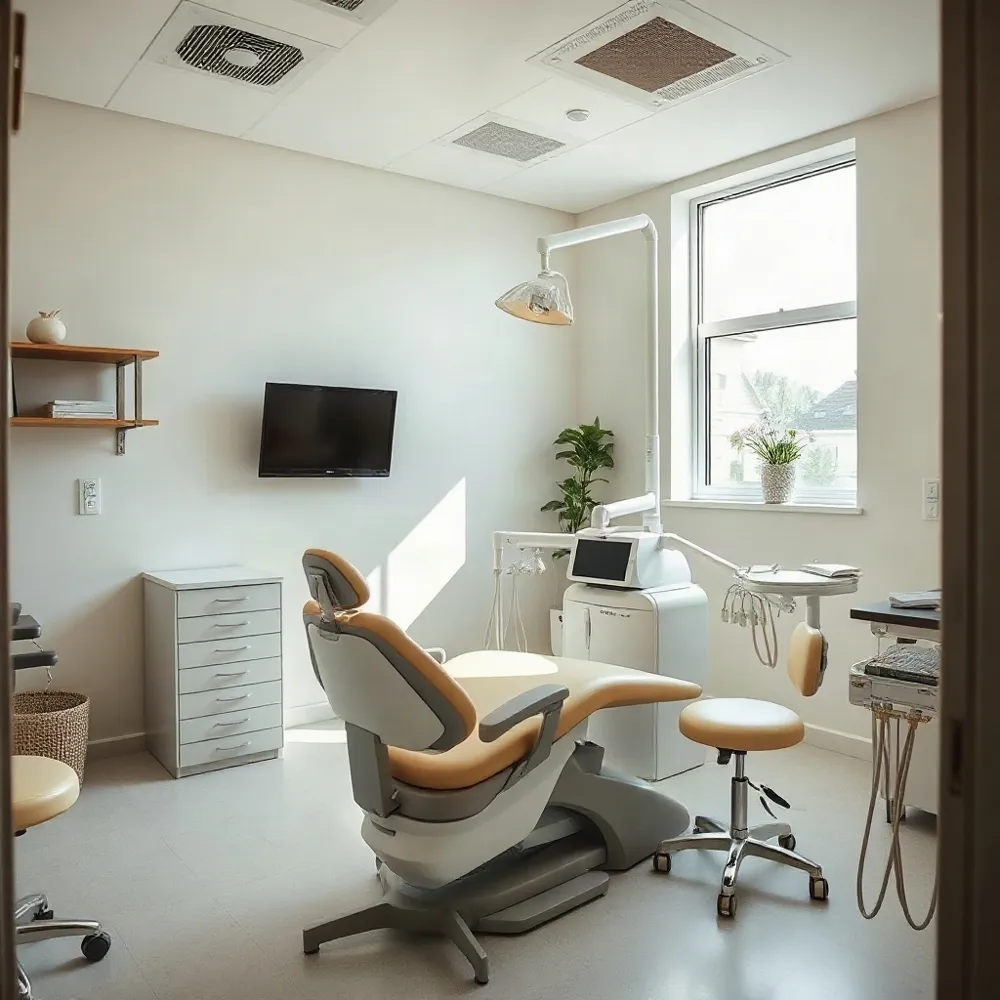
A same-day crown starts with an examination. The dentist checks the tooth and surrounding area to decide whether a chairside crown is suitable, then numbs and prepares the tooth so the restoration can fit securely.
Next, a digital scanner captures the prepared tooth and nearby teeth. Unlike a traditional impression, this step does not require a putty-filled tray, which may be more comfortable if you dislike having impression material in your mouth.
The scan guides the crown’s design in computer software. An on-site CAD/CAM system then mills the restoration from a ceramic block. At Belmont Dental Associates, this technology makes single-visit ceramic crowns an option for appropriate cases, though an examination is needed to determine whether it fits your tooth’s needs.
Before bonding the crown in place, the dentist checks how it fits and meets your bite, making adjustments if needed. Appointment length varies with the tooth and treatment required, so one-visit care does not mean every appointment takes the same amount of time.
With a traditional crown, the dentist prepares the tooth and takes an impression at the first visit. A temporary crown protects the tooth while a dental laboratory makes the permanent restoration, and you return later to have it fitted and placed. When a same-day crown is appropriate, the office can complete those steps without the temporary crown or separate placement visit.
Why One Visit Can Matter
For families balancing work, school, and other appointments, completing crown treatment in one visit can mean fewer trips to the dental office and less time spent arranging follow-up care. Belmont Dental Associates serves patients in Haledon, Caldwell, and nearby New Jersey communities, with an on-site CAD/CAM system that mills permanent ceramic crowns during a single visit when the tooth is suitable.
A one-visit approach can also avoid the temporary crown used while a laboratory makes a permanent restoration. Temporary crowns may loosen or break, feel sensitive, or call for extra care with eating and brushing. Having the permanent crown placed during the same appointment removes that interim stage, though the dentist still needs time to prepare the tooth, make the crown, and check its fit.
Same-day treatment still requires a scheduled appointment, and visit length varies with the tooth and the work needed. Belmont’s family-focused care also includes sedation options for patients who feel anxious about dental treatment. An examination helps the dentist determine whether a one-visit crown is appropriate and discuss the expected schedule.
Choosing Materials for Your Tooth
Same-day crowns are commonly milled from tooth-colored ceramic blocks. Depending on the dental system and the tooth being treated, the options may include glass ceramics or zirconia. These materials can differ in strength, translucency, and how closely they resemble nearby teeth, so the right choice depends on the case.
Laboratory-made crowns can offer a broader selection, including porcelain-fused-to-metal, gold, and other ceramics. A dental technician may also have more room to layer color and detail, which can matter when matching a visible tooth or coordinating several restorations.
The decision involves more than appearance. A dentist considers the tooth’s location, remaining structure, chewing forces, bite habits, and your goals and budget. A back tooth under heavy pressure may call for different considerations than a front tooth where shade and translucency are especially noticeable.
The dentist can explain which materials and fabrication methods are available for your specific needs, and whether a chairside or laboratory-made crown is the better fit.
Durability Depends on More Than Timing
A crown’s durability depends on more than whether it was made in the office or by a dental laboratory. Same-day crowns can restore a tooth’s strength and appearance, and research generally reports comparable outcomes for CAD/CAM and traditional crowns when the material and case are appropriate. The dentist’s planning, preparation, fit, and placement all matter.
Crowns often last about 10 to 15 years or longer with good care, but that is a general estimate, not a promise for any individual tooth. Longevity can vary with the crown material and fit, the tooth’s location, the health of the tooth underneath, bite forces, and daily care habits.
A laboratory-made crown may offer more material or customization choices in some situations. At Belmont Dental Associates, an on-site CAD/CAM system mills permanent ceramic crowns in one visit, but an examination is needed to decide whether that option suits the tooth. If grinding or dental anxiety is part of your concern, the practice also offers sedation options, and your dentist can discuss whether a nightguard may help protect a crown.
To care for a crown, brush and floss regularly, keep routine dental appointments, and avoid using your teeth to open packages or bite hard objects. Tell your dentist if you clench or grind your teeth, or if the crown feels loose, uncomfortable, or uneven when you bite. Regular checkups give the dentist a chance to assess the crown and the tooth around it.
For patients without dental insurance, Belmont Dental Associates also offers the in-house Belmont Dental Plan. Ask the office about the plan and the expected cost of your recommended treatment before proceeding.
When a Laboratory Crown May Fit Better
A one-visit crown is not the best fit for every tooth. At Belmont Dental Associates, an examination guides whether its on-site CAD/CAM system or a laboratory-made restoration is appropriate, rather than choosing based on convenience alone.
A laboratory crown may be considered when a case needs detailed shade matching, extensive reconstruction, a specialized material, or careful coordination across several teeth. A dentist may also recommend lab fabrication when a restoration calls for substantial bite adjustments. Same-day crowns have different material and design options, and the right choice depends on the tooth and treatment goals.
Bite forces matter, too. Heavy grinding or strong chewing pressure can affect which material is suitable, especially for back teeth. Neither method is automatically stronger in every case; the dentist weighs the material, tooth location, bite, and remaining structure. Belmont Dental Associates uses 3-D imaging to help assess a tooth, alongside the clinical examination.
Sometimes there is not enough healthy tooth left to hold a crown securely, or a crack or decay extends far below the gumline or into the root. Depending on the findings, a buildup or crown-lengthening may be considered. If the damage cannot be restored predictably, the dentist may discuss another treatment or removal.
Same-day treatment can also take longer if the crown needs adjustments or equipment issues arise. If dental anxiety is part of the decision, Belmont Dental Associates offers sedation options; patients without insurance can ask about the in-house Belmont Dental Plan. The dentist can explain suitability, alternatives, and expected costs after examining the tooth and reviewing imaging.
Understanding Crown Costs and Coverage

How much does a dental crown cost, and what can affect the price?
A dental crown may cost about $800 to $2,500 per tooth as a broad estimate. This is not a quote from Belmont Dental Associates, and the actual fee depends on your treatment plan.
Several details can affect the total, including the crown material, the tooth’s location and condition, and the complexity of the repair. Related care, such as a buildup to support the crown or root canal treatment when needed, may add to the cost.
Before treatment, ask for an itemized estimate that separates the crown from any related procedures. The estimate should clarify the expected out-of-pocket amount so you can understand the costs before deciding how to proceed.
Insurance benefits vary by plan. Ask your insurer and dental office whether the crown is covered, how your annual maximum applies, and what copay or other costs you may owe. Belmont Dental Associates serves patients in Haledon, Caldwell, and nearby communities, and its team can help you understand the estimate and discuss coverage questions.
If you do not have dental insurance, ask Belmont Dental Associates about the in-house Belmont Dental Plan. It is an option to discuss when reviewing costs, but confirm whether it applies to your proposed crown treatment and what your own payment would be.
Weighing Crown Options With Your Dentist
The right choice depends on your tooth and what matters most to you. Fewer visits and avoiding a temporary crown may make same-day treatment appealing, while a need for specialized materials or more complex restoration may favor a laboratory-made crown.
At Belmont Dental Associates, an on-site system makes permanent ceramic crowns in one visit for patients whose teeth are suitable. That is one option, not a recommendation for every case. The dentist will assess your tooth and explain which approach fits your needs.
During an examination, ask about material choices, expected timing, home care, alternatives, and an itemized cost estimate. If dental anxiety is a concern, you can also ask about sedation options. Patients without insurance may ask whether the in-house Belmont Dental Plan could help with their care.
A thoughtful conversation can help you and your dental team choose a plan without pressure. Bring your questions and discuss what feels manageable for your health, schedule, and budget.
The Right Crown Starts With an Exam
A same-day crown can make treatment more convenient by completing the restoration in one visit, while a laboratory-made crown may offer material choices or customization better suited to some teeth. Neither approach is right for every case.
At Belmont Dental Associates, an on-site CAD/CAM system mills permanent ceramic crowns during a single visit when appropriate. The practice also offers sedation options for patients who feel anxious and an in-house Belmont Dental Plan for those without dental insurance. Ask about your comfort needs and expected costs before treatment.
For families in Haledon, Caldwell, and nearby New Jersey communities, an exam is a good place to start. A dentist can assess the tooth and talk through timing, materials, comfort, and costs, so you can make an informed choice without assuming one type of crown will suit everyone.