A Faster Route to Tooth Repair
A damaged tooth can be stressful enough without trying to fit several dental visits around work, school, family routines, or a long drive. For New Jersey families, fewer trips can make a real difference, especially when transportation or time away from work is hard to arrange.
With a traditional crown, the dentist usually prepares the tooth and takes an impression at the first appointment. A dental laboratory then makes the crown, so you wear a temporary one while you wait and return later for placement. The wait and extra visit may feel like a lot to manage when your schedule is already full.
A same-day crown uses a digital scan, design software, and an in-office milling machine to make and place a permanent crown during one visit, if the tooth and treatment plan are suitable. Belmont Dental Associates has on-site CAD/CAM technology for milling permanent ceramic crowns in a single visit. A systematic review of digital crown-design research describes the scan, design, milling, and finishing steps, while noting that clinical judgment remains essential.
Belmont Dental Associates offers sedation options for patients who feel anxious about treatment, and the team can explain costs and insurance-free plan options before care begins.
From Digital Scan to Permanent Crown
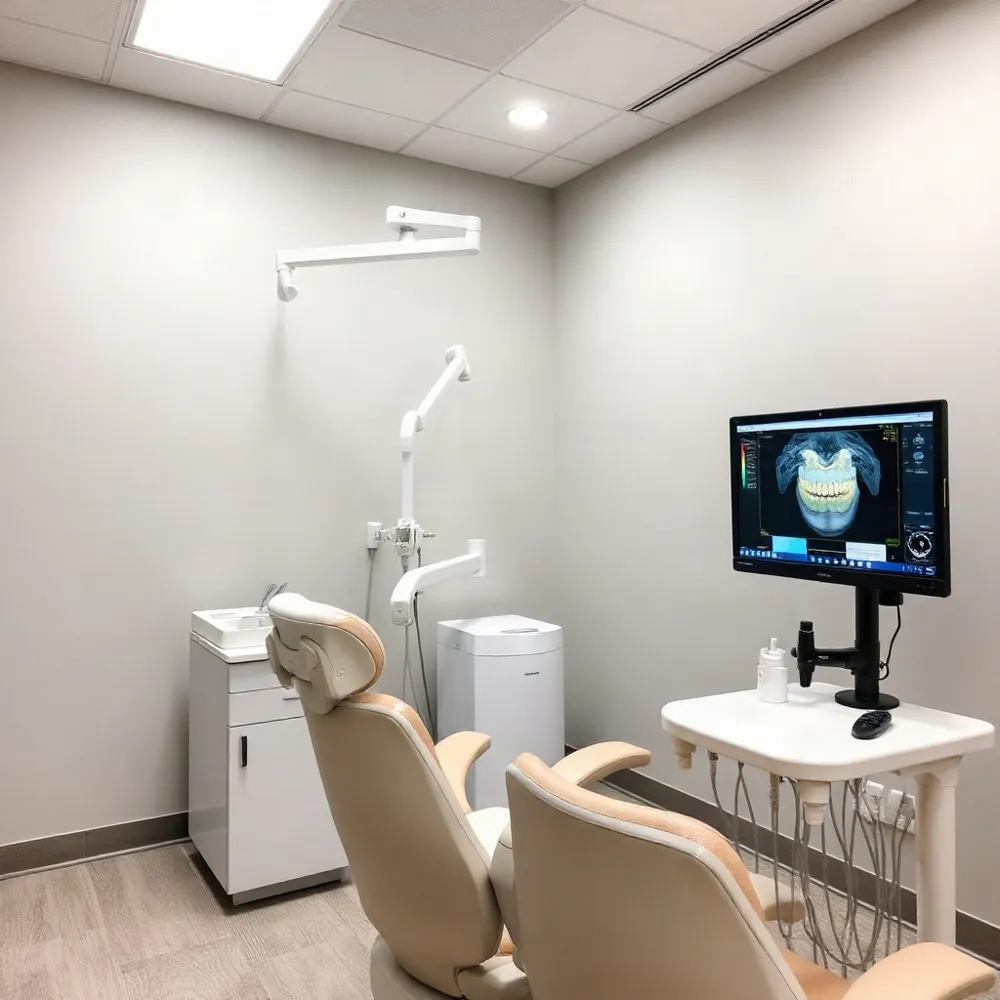
A same-day crown is a custom cap that covers and protects a damaged or weakened tooth. When the case is suitable, the crown can be designed, made, and placed during one visit. At Belmont Dental Associates, an on-site CAD/CAM system mills a permanent ceramic crown from a digital scan, helping local patients avoid a separate trip for placement.
The process begins with an examination and preparation of the tooth. The dentist then uses a scanner to capture a digital model of the prepared tooth and nearby areas. This replaces a traditional putty impression, and the scan gives the design software a detailed guide to the crown’s shape and fit.
Once the design is ready, an in-office milling machine shapes the crown from restorative material. Digital workflows combine scanning, design, milling, and finishing, though the exact steps depend on the material and case. A systematic review describes how CAD/CAM crowns are digitally designed and milled, while noting that clinical judgment remains essential to the result (review of digital crown design and accuracy).
Before placing the crown, the dentist checks how it fits against the prepared tooth and how it meets the opposing teeth when you bite. The dentist also reviews its appearance and makes any needed adjustments. When everything is ready, the crown is bonded in place.
An examination is still necessary to confirm whether same-day treatment fits your tooth and overall dental needs. If you feel anxious about treatment, Belmont Dental Associates also offers sedation options, and its Belmont Dental Plan provides an insurance-free way to plan for care.
What One Visit Can Change
At Belmont Dental Associates, an on-site CAD/CAM system mills a permanent ceramic crown in one visit, helping families in Haledon, Caldwell, and nearby communities fit treatment around work, school, and other commitments.
With a traditional crown, the dentist usually prepares the tooth and takes an impression, then sends the information to an outside dental laboratory. The permanent crown is made there, which can take days or weeks, and a temporary crown is worn until a later appointment for placement. A same-day approach can reduce the need to arrange transportation, childcare, or more time away from work or school.
Digital scanning also avoids the tray of impression material used in many traditional workflows. Some people find that material messy or uncomfortable, especially if they have a strong gag reflex. A scanner may make this step easier, though comfort varies from person to person.
Going straight to a permanent crown means you do not have to manage a temporary restoration while waiting. Temporary crowns can loosen or break, and some patients experience sensitivity. Digital design can support a close fit, but technology does not replace careful clinical checks: the dentist still examines the crown’s fit and bite and adjusts it when needed. Evidence on digital crown workflows supports their role in accurate design, while noting that results depend on clinical judgment and the individual case (systematic review of digital crown design).
Choosing Between Same-Day and Lab Crowns
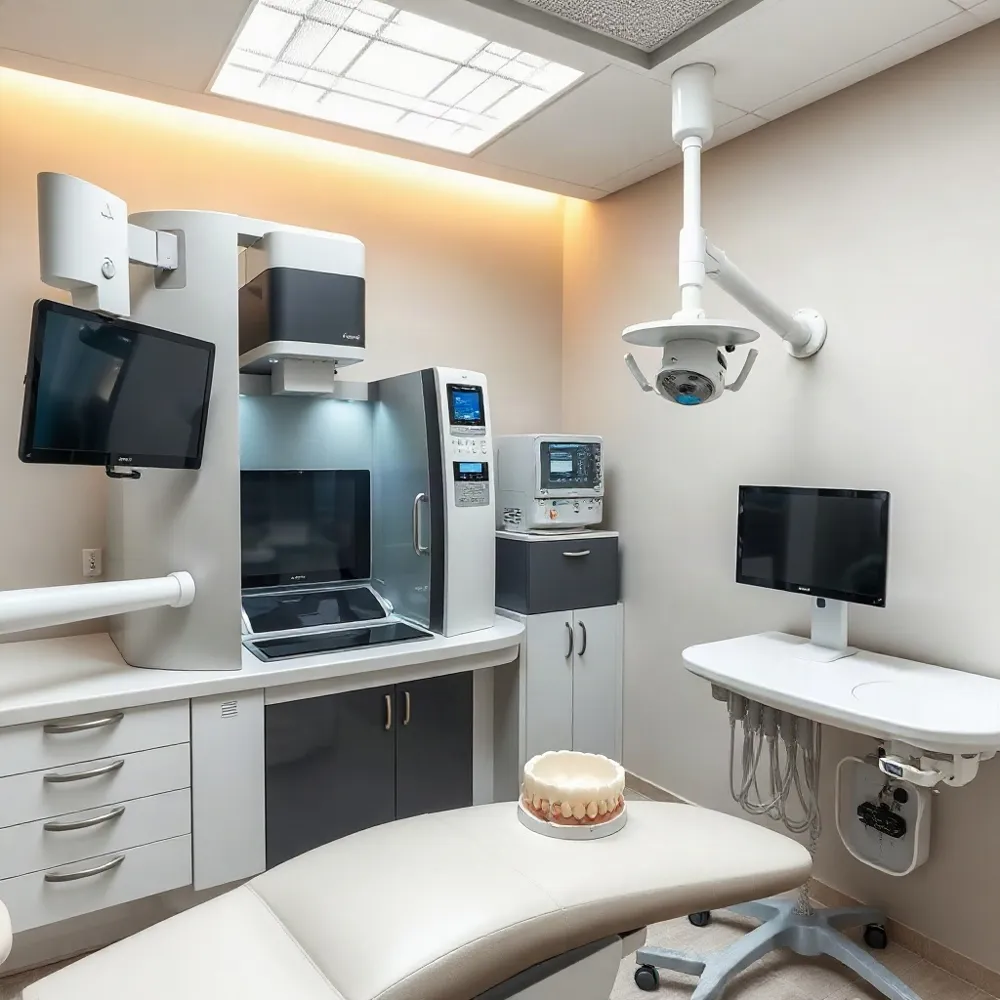
Are same-day crowns as effective as crowns made in a dental lab? Both approaches can restore and protect a damaged tooth when the crown suits the tooth and is placed properly. The difference is not simply speed: each method offers options that may fit different clinical and cosmetic needs.
At Belmont Dental Associates, an on-site CAD/CAM system can design and mill a permanent ceramic crown in one visit. For a suitable case, this avoids wearing a temporary crown and returning for a separate placement appointment. A systematic review of crown accuracy found that digital crown designs can achieve clinically acceptable fit, while also noting that results vary and clinical judgment remains essential.
Laboratory-made crowns may offer additional material choices or more detailed customization for some complex restorations and specific cosmetic goals. That can matter when a tooth needs a particular type of support, or when matching subtle color and shape details is a priority. A lab crown is not automatically better, just as a same-day crown is not right for every tooth.
The dentist’s recommendation should reflect the tooth’s condition, its position and bite, the restoration needed, and the appearance you want. An examination helps determine whether an in-office ceramic crown is suitable or whether a laboratory-made option may serve you better.
Before treatment, ask your dentist to explain the options and expected costs, including what your insurance may cover. Discussing your priorities and budget together can help you choose a crown approach without assuming every case can be completed in one visit.
How Long a Ceramic Crown Can Last
Same-day ceramic crowns can serve for many years, but there is no single lifespan that applies to everyone. One study of CAD/CAM lithium disilicate crowns found that 93% remained in place after six years. That result describes a specific material and study group, not a promise about any individual crown or every type of ceramic. The study’s findings also should not be taken as a measure of crowns made at a particular practice.
A crown’s longevity depends on more than how it was made. The way your teeth meet when you bite, your daily cleaning routine, and habits such as grinding or clenching can all affect the crown and the tooth underneath it. If you grind your teeth, tell your dentist so you can discuss care suited to your bite and habits.
Brush and floss daily, and keep up with regular dental checkups and professional cleanings. These habits help protect the gumline and natural tooth around the crown. Your dentist can also check how the crown fits and whether your bite needs attention.
At Belmont Dental Associates, an on-site CAD/CAM system mills permanent ceramic crowns during one visit. The technology makes same-day treatment possible, but it does not determine how long a crown will last on its own. Follow-up care and the needs of each tooth matter too. Patients in Haledon, Caldwell, and nearby New Jersey communities can ask the dental team what routine care is appropriate for their crown.
When Another Crown Approach May Fit Better
Same-day treatment can be convenient, but it is not suitable for every tooth or bite. Severe damage, infection, or gum disease may need attention first, and a complex restoration may call for a different plan.
At Belmont Dental Associates, an on-site CAD/CAM system mills permanent ceramic crowns in one visit. That option may not meet every clinical or cosmetic need: a laboratory-made crown or another treatment can offer materials or design choices better suited to some cases. A systematic review of digital crown research also notes that results vary across designs and that clinical judgment remains important.
A crown visit involves more than milling. The dentist prepares the tooth, captures a digital scan, designs and mills the restoration, then checks its fit and bite before bonding it. This takes longer than a routine checkup, and the exact appointment time depends on the tooth and treatment.
The fit and bite checks help the crown sit comfortably and meet the opposing teeth properly. The dentist may adjust its shape or contact points before final placement. If another approach seems more appropriate, ask what the options are and what each can and cannot address.
If dental visits make you anxious, tell your care team. You can also ask about your benefits and expected costs before treatment.
Balancing Strength and Appearance
Which type of dental crown is the most durable? Full-metal crowns, especially those made with gold alloys, are generally the most durable. They may suit back teeth that handle heavy chewing or grinding, though their metallic color is more visible than a tooth-colored restoration.
Zirconia is also exceptionally strong and has a tooth-colored appearance, so a dentist may consider it for a molar. Ceramic options can offer a natural look, but the right choice depends on the tooth’s position, the forces from your bite, any grinding habits, and your cosmetic priorities.
There is no single material that is best for everyone. Your dentist can explain the trade-offs, examine the tooth, and confirm which materials and treatment approach are suitable for your needs.
At Belmont Dental Associates, an on-site CAD/CAM system mills permanent ceramic crowns in one visit. That can make crown treatment more convenient, but the dentist should explain whether a ceramic crown and same-day workflow are a good fit for the specific tooth. If you are anxious about treatment, ask about the practice’s sedation options.
Planning for Crown Costs
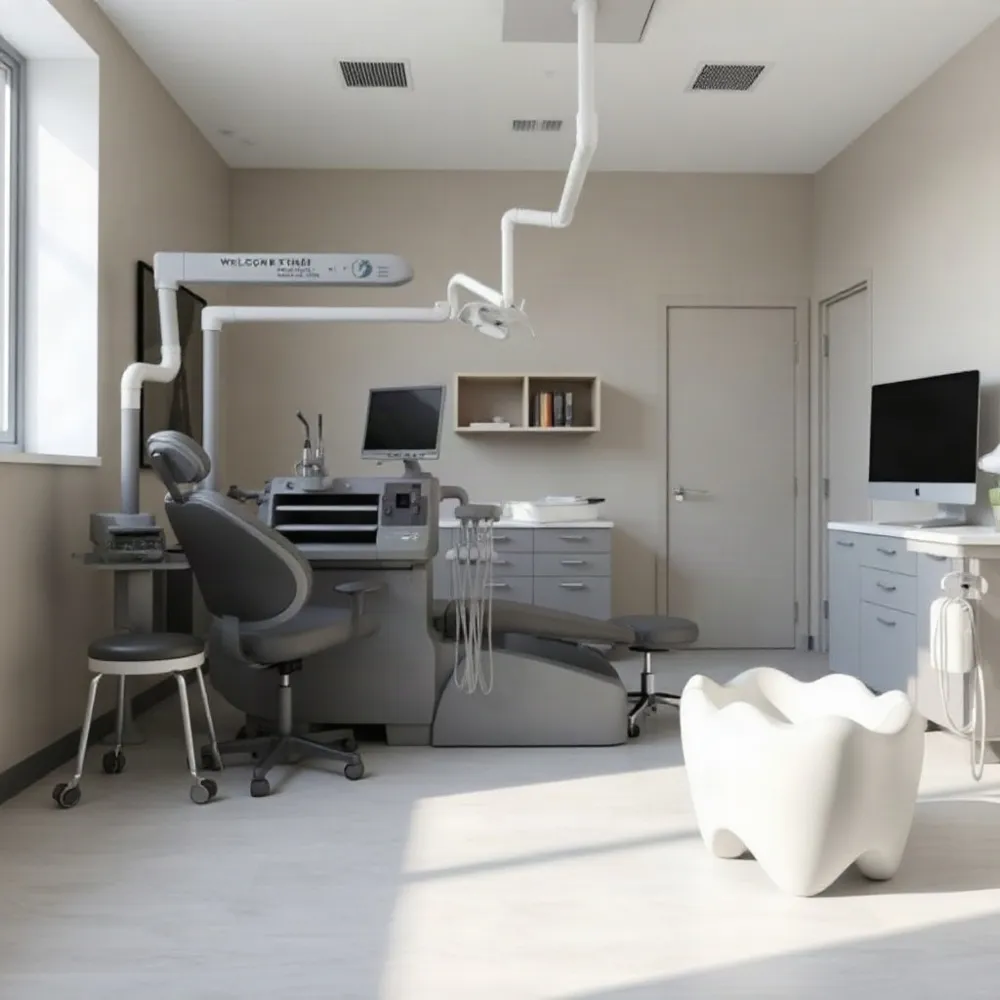
How much does a ceramic or digital crown cost? There is no single price that applies to every patient. The total depends on which tooth needs treatment, what work is needed before the crown can be placed, and the benefits included in your dental plan.
Before treatment, Belmont Dental Associates can provide a personalized estimate and help you review what your insurance may cover, along with any expected out-of-pocket costs. Coverage varies by plan, even when a plan includes benefits for both traditional and same-day crowns, so check your policy and confirm the details with the office.
When a tooth is suitable for same-day treatment, Belmont Dental Associates’ on-site digital crown system can make a permanent ceramic crown in one visit, avoiding a separate appointment to place the finished crown. This can simplify scheduling, but it does not mean every case costs less. Ask for a written estimate so you can weigh treatment options and costs before deciding.
If you do not have dental insurance, ask Belmont Dental Associates about the in-house Belmont Dental Plan. The team can explain its terms and costs, so you can consider whether it fits your family’s needs. You can also ask about payment expectations before treatment begins, giving you a clearer picture of the expense without relying on assumed savings or benefits.
A Convenient Option, Chosen Together
When a tooth is suitable for this approach, digital design and on-site milling can make it possible to receive a permanent ceramic crown in one visit. At Belmont Dental Associates, an on-site CAD/CAM system supports that option for patients in Haledon, Caldwell, and nearby New Jersey communities.
Convenience should still begin with a careful examination. Your dentist can explain which material fits the tooth and bite, whether another restoration may be a better choice, and what the treatment is expected to cost. A systematic review of crown-design research notes that digital tools support the process, while clinical judgment remains essential.
If dental treatment makes you anxious, ask about sedation options when scheduling. A clear conversation about your needs, comfort, and costs can help you choose the crown approach that feels right.