Making Room for a More Comfortable Visit
For families in Haledon, Caldwell, and nearby New Jersey communities, a dental appointment can bring worry about needles, discomfort, or feeling out of control. Those concerns are worth sharing. Telling your dental team what makes you uneasy gives them a chance to discuss ways to help you feel more at ease.
Sedation is one possible option for easing anxiety during treatment. It does not replace local anesthetic, which numbs the teeth and gums, and the right approach depends on your health, comfort needs, and planned care. Cleveland Clinic’s overview of sedation dentistry explains common options and why patients may consider them.
Before a procedure, ask Belmont Dental Associates about available sedation choices and how your medical history or medications may affect the plan. The team also offers same-day ceramic crowns using on-site CAD/CAM technology, which can reduce the need for a separate crown visit. Ask what preparation, recovery, transportation, and costs to expect, including whether the in-house Belmont Dental Plan may fit your budget if you do not have insurance.
Understanding What Makes Dental Visits Difficult
Dental anxiety is worry, stress, or fear connected with thinking about or receiving dental care. It can affect people differently, and there is no single reason someone feels uneasy in the chair.
For some, the feeling follows an upsetting past experience. Others may worry about pain or needles, unfamiliar sounds and procedures, not being able to see what is happening, or feeling that they have little control. These concerns can overlap, but they are personal. Cleveland Clinic’s overview of sedation dentistry notes that anxiety, fear of needles, and discomfort with the dental setting can all be reasons to discuss support with a dentist.
Anxiety can make it tempting to put off a checkup or treatment. But delaying care may allow a dental problem to become more serious, so it is worth raising concerns before they keep you from booking. At Belmont Dental Associates, the team can discuss options to help make care comfortable and accessible. The team can discuss what may suit your needs and planned treatment.
You do not need to have a perfect explanation for your worry. Tell the dental team what feels difficult, whether that is a sound, a needle, or uncertainty about what comes next. Naming the concern gives you and the team a starting point for discussing ways to make the visit feel more manageable.
Small Steps Before Your Appointment
A little preparation can help you feel more settled before you arrive. Tell the dental team what makes you nervous, whether it is a particular sound, fear of discomfort, or not knowing what will happen. Ask them to describe the visit in a way that feels helpful to you. Patients are encouraged to discuss their anxiety and available options with their dentist.
You can agree on a hand signal that lets the dentist know when you need a pause. Slow, steady breathing may help you feel calmer, and you could ask whether calming music or a supportive family member would be welcome. These steps do not work the same way for everyone, but they give you practical ways to express what you need.
If anxiety has kept you from booking care, tell the team rather than trying to manage it alone. Ask Belmont Dental Associates about its sedation options and other ways to make an appointment more manageable. For New Jersey families, the team can discuss ways to make an appointment more manageable. Sharing your concerns, health information, and preferences helps the dental team plan around your needs. There is no need to feel embarrassed: an honest conversation is a useful first step toward care that feels more comfortable.
Comparing Common Sedation Choices
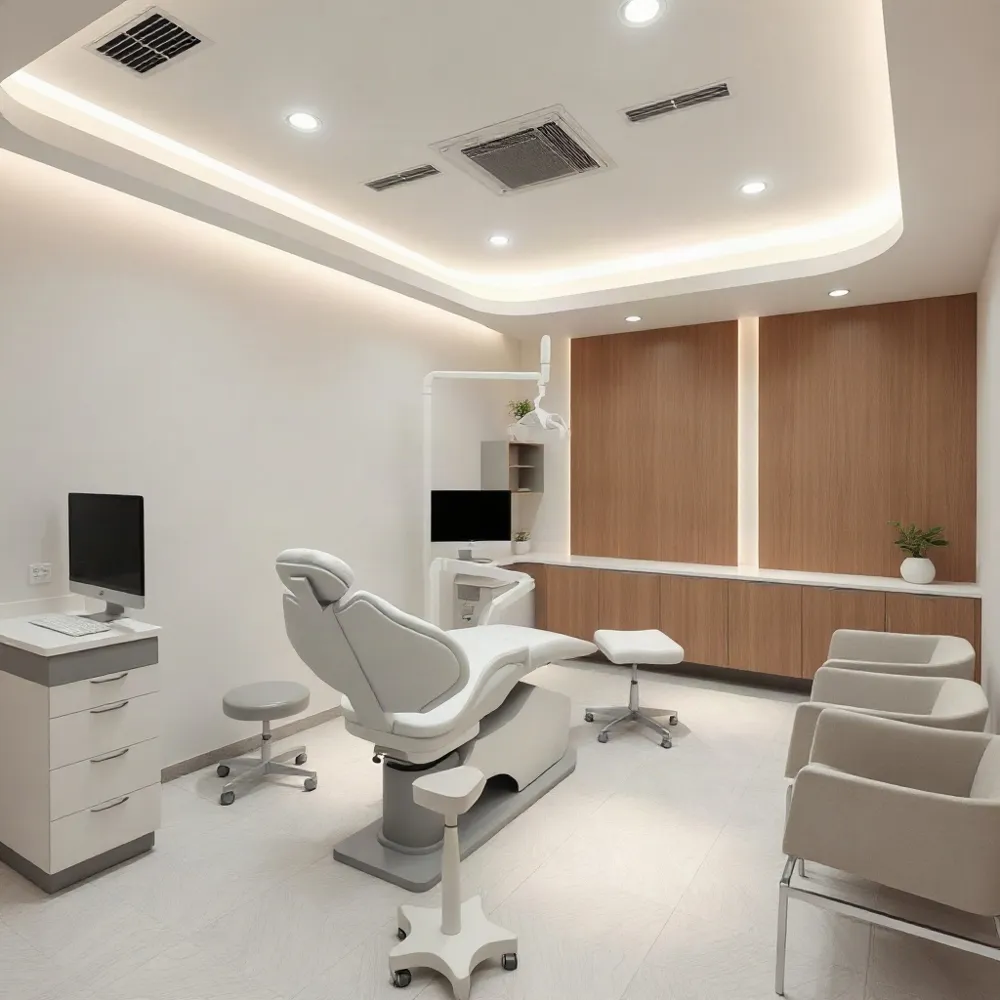
For New Jersey residents seeking affordable, reliable dental care, understanding your sedation options can help you feel more at ease during treatment. At Belmont Dental Associates, the team can discuss sedation choices to help you feel more comfortable during your visit.
Dental sedation and local anesthetic do different jobs. Sedation medication is intended to ease stress or anxiety, while local anesthetic numbs the teeth and gums to help prevent pain during treatment. Sedation does not replace numbing, and patients are generally awake and able to respond with common conscious-sedation methods, although they may feel drowsy or remember little.
The right approach depends on your health, comfort needs, and planned care. The common dental sedation options include nitrous oxide, oral conscious sedation, and intravenous (IV) sedation.
How do the options differ?
Nitrous oxide is breathed through a mask or nosepiece. It often begins helping a patient relax within three to five minutes. After the gas is stopped and oxygen is given, recovery usually takes 15 to 30 minutes, and patients can generally drive afterward.
Oral conscious sedation uses prescribed medication taken about an hour before treatment. It can cause significant drowsiness, and a patient may fall asleep, though the dentist can wake them when needed. Arrange a ride home and do not drive for 24 hours.
IV sedation delivers medication through a line into the bloodstream. The provider monitors the patient and adjusts the dose. It is the deepest form of conscious sedation commonly available in a dental office; patients may sleep or remember little of the procedure. A ride home is needed.
General anesthesia is different: the patient is fully unconscious. It may be arranged in a hospital or ambulatory surgery center for selected circumstances, rather than being treated as a routine dental-office option.
At Belmont Dental Associates, our team can discuss these sedation options with you as part of planning for your comfort. Our team can discuss which choice is right for you based on your health and treatment needs. Ask us what to expect, including how alert you may feel and what arrangements you will need afterward. Ask us what to expect, including how alert you may feel and what arrangements you will need afterward.
Choosing an Option With Your Dental Team
Choosing the right sedation option is a personal decision, and your dental team is here to help you and your family feel at ease. Your dentist will talk with you about your anxiety, the treatment you need, your health history, and your preferences. For many New Jersey families, sedation can make the difference between putting off care and getting the treatment you need comfortably.
Before your appointment, have an open conversation with the dental team. Let them know about any allergies, medications, health conditions, or past experiences with sedation. Some medicines can interact with sedation, so never stop or change a medication without your dentist’s or doctor’s guidance. Depending on the approach, you may need to fast beforehand. Your dental team will give you clear instructions on what to eat, drink, and take. (For more on why these details matter, check out the your dental team.)
Your comfort and safety are the priority. Ask your dental team what to expect before, during, and after treatment, including whether you’ll need a ride home. They’ll explain which options are right for your situation and answer any questions you have.
At Belmont Dental Associates, we offer a range of sedation options to help you feel relaxed and cared for. Our team can discuss available options and costs with you. Talk to our team about your comfort concerns and how sedation fits into your treatment plan, whether it’s a routine visit or a longer procedure.
Weighing Benefits and Possible Side Effects
For New Jersey residents who have been putting off dental care because of anxiety, sedation may make it easier to move ahead with treatment. When you feel calmer and can cooperate comfortably, your dentist may also be able to complete care more efficiently, sometimes reducing the number of visits. Sedation supports relaxation, but local anesthetic is still used to numb the teeth and gums.
Possible side effects include dry mouth, lingering drowsiness, headache, nausea or vomiting, and bruising where an IV was placed. Most effects resolve within a day, but responses and recovery times differ from person to person. Allergic reactions are possible, so sedation should not be treated as risk-free.
Before choosing an option, tell your dentist about health conditions, medications, allergies, and any past reactions to sedation. At Belmont Dental Associates, we offer sedation options to help you feel at ease, and our team can discuss your treatment options and expected costs with you. A conversation about your health and comfort concerns can help our team consider the best sedation approach for your planned care. Contact us if you remain groggy beyond 24 hours or experience nausea or vomiting.
Planning for Recovery and Getting Home
If you’re a New Jersey family planning a dental visit, you might be wondering about recovery time after sedation or oral surgery. At Belmont Dental Associates, we offer a range of sedation options, from nitrous oxide to oral and IV sedation, to keep you comfortable during your procedure. Recovery times vary: nitrous oxide effects usually clear within 15 to 30 minutes, while oral sedation can take up to 24 hours to wear off. IV sedation also requires advance planning and an escort home. Recovery and transportation needs vary by method.
If you receive oral or IV sedation, arrange for a responsible adult to take you home. Do not drive for 24 hours afterward, and plan to take it easy the following day. Follow the specific instructions from your dentist, since your health, medications, and treatment plan can affect what is appropriate.
Recovery from oral surgery is a separate consideration: healing varies with the procedure, so there is no single timeline that fits every patient. Rest as directed and follow the dental team’s aftercare instructions. If you are unsure what to expect, ask before your appointment how sedation recovery and surgical healing may affect your plans.
Families in Haledon, Caldwell, and nearby communities can discuss sedation and recovery needs with Belmont Dental Associates as part of treatment planning. Our same-day crown technology may reduce extra visits for eligible restorative care, but it does not change the recovery instructions for sedation or oral surgery.
Contact your dental team if recovery raises concerns or symptoms worsen.
Understanding Costs Before Treatment

How much does dental sedation cost, and can it be covered by insurance or an in-house dental plan? There is no single price that applies to every visit. Cost depends on the sedation method and the planned treatment, so ask for an estimate based on your care rather than relying on a general figure.
Insurance coverage also varies by plan and individual benefits. The estimate can help you prepare, but it is not a guarantee of what your insurer will pay. Before treatment, ask Belmont Dental Associates to review your coverage and explain expected costs for your proposed care.
For families without insurance, ask whether the in-house Belmont Dental Plan may help with costs. Benefits and eligibility may vary, so request the current details and confirm what applies to your household and treatment.
A conversation about fees before an appointment can make planning easier and give you time to ask questions. Belmont Dental Associates also offers same-day ceramic crowns using advanced digital technology, which may reduce the need for a separate crown placement visit. Ask how the treatment plan, sedation choice, and payment arrangements fit together before deciding how to proceed.
Start With a Conversation
Dental anxiety is worth bringing up, even if you have postponed care for a long time. Sedation choices depend on your health, comfort needs, and planned treatment, so a conversation with your dentist can help clarify what may suit you. These options should be considered with a dental professional.
New Jersey patients can talk with Belmont Dental Associates about comfort concerns, available sedation options, preparation and recovery instructions, and expected costs before treatment. If you are paying without insurance, ask whether the in-house Belmont Dental Plan may help make care more manageable. The practice also offers same-day ceramic crowns, which can reduce the need for separate crown appointments when that treatment is appropriate.
You do not have to sort through the choices alone. Your dental team can listen, answer questions, and help you understand the next steps at a pace that feels comfortable.