Seeing More Before Treatment
If your dentist recommends a 3-D scan, it is reasonable to ask what it will show and how it could affect your care. For New Jersey families weighing a treatment decision, the goal is clarity, not imaging for its own sake.
A 3-D dental scan can show teeth, jawbone, and nearby structures from several angles. That added view may help a dentist assess a concern or plan a procedure when a standard image does not answer the clinical question. The American Association of Orthodontists explains that dental imaging can help assess tooth and jaw development and inform treatment planning.
At Belmont Dental Associates, 3-D imaging supports precise diagnostics, while on-site CAD/CAM technology can produce a permanent ceramic crown in one visit when appropriate. A scan does not, however, determine a diagnosis by itself or guarantee a particular result. It is one tool your dentist can weigh alongside an exam and your health history.
A 3-D scan is not needed at every checkup. Ask what area will be imaged, what the dentist is looking for, and how the result may change your plan. If cost is a concern, ask about coverage and the out-of-pocket amount before proceeding. Belmont’s in-house Belmont Dental Plan offers an insurance-free option for eligible care, and the team can explain the scan’s expected charge and your estimated out-of-pocket amount.
What a Three Dimensional Scan Shows
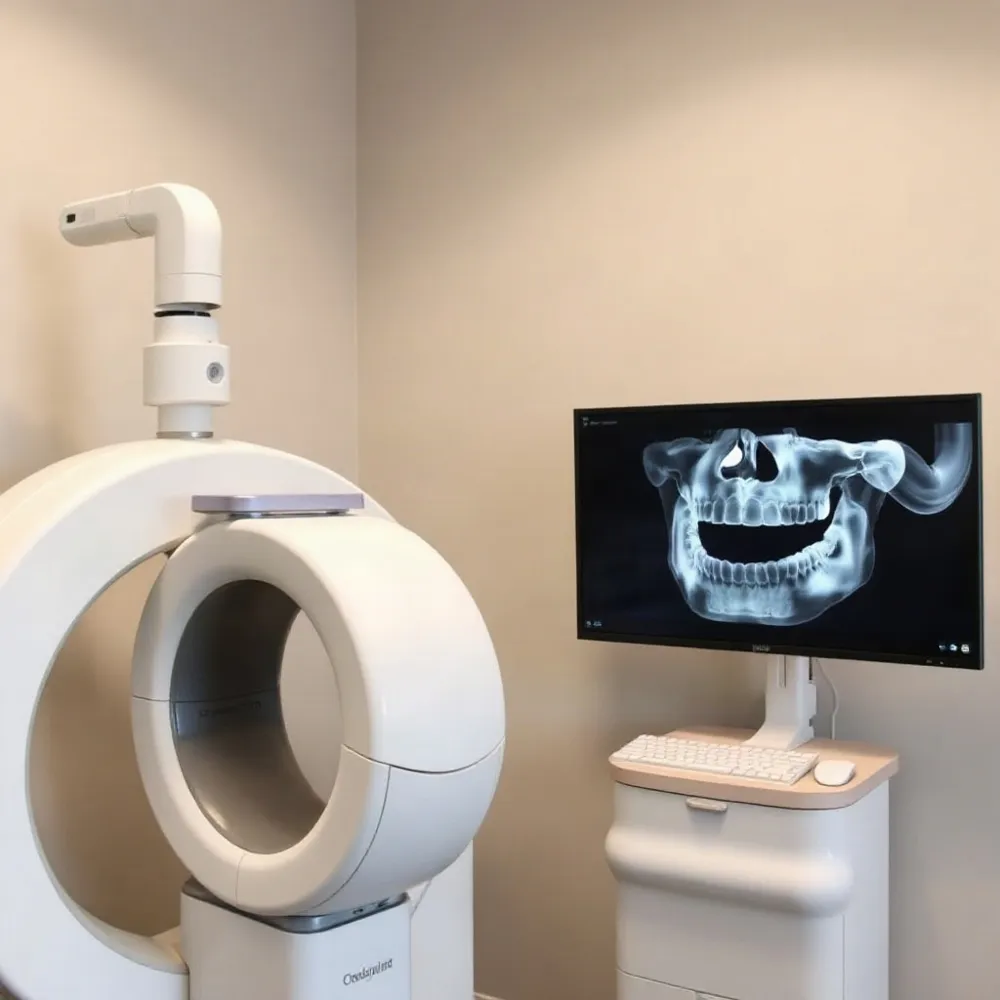
A three-dimensional dental scan, often called cone-beam computed tomography (CBCT), captures images from several angles and combines them into a 3-D view. Rather than looking at a single flat image, your dentist can examine the teeth and nearby structures from different perspectives.
A conventional dental X-ray remains useful for many routine checks, such as looking for decay or monitoring changes. It shows anatomy from a more limited angle, while a CBCT scan may provide added detail when a specific concern or treatment question calls for it. The American Association of Orthodontists’ explanation of dental X-rays also describes how imaging can help assess tooth roots, development, and jaw structure.
Depending on the scan and the area examined, the 3-D view may show teeth, roots, jawbone, nerves, and soft tissues, as well as how these structures relate to one another. That added context can help a dentist assess an impacted tooth, a change in bone, a possible infection, or complex root anatomy. A scan is a diagnostic aid, not a guarantee that every problem will appear.
At Belmont Dental, we use 3-D imaging to support precise diagnostics and treatment planning. This technology works alongside our same-day treatment options, so you can often get care sooner. We also offer sedation options to keep you comfortable during procedures, and our insurance-free plans make quality dental care more affordable for your family. The images may help inform planning for dental implants and other restorative care, but the right choice depends on the clinical question. Your dentist can explain what they are looking for and whether a scan is likely to add useful information. Not every visit requires one.
For families in Haledon, Caldwell, and nearby New Jersey communities, it is reasonable to ask how a scan would affect the recommended plan. A clear explanation can help you understand the findings and discuss your options before treatment begins.
How Imaging Helps Shape a Care Plan
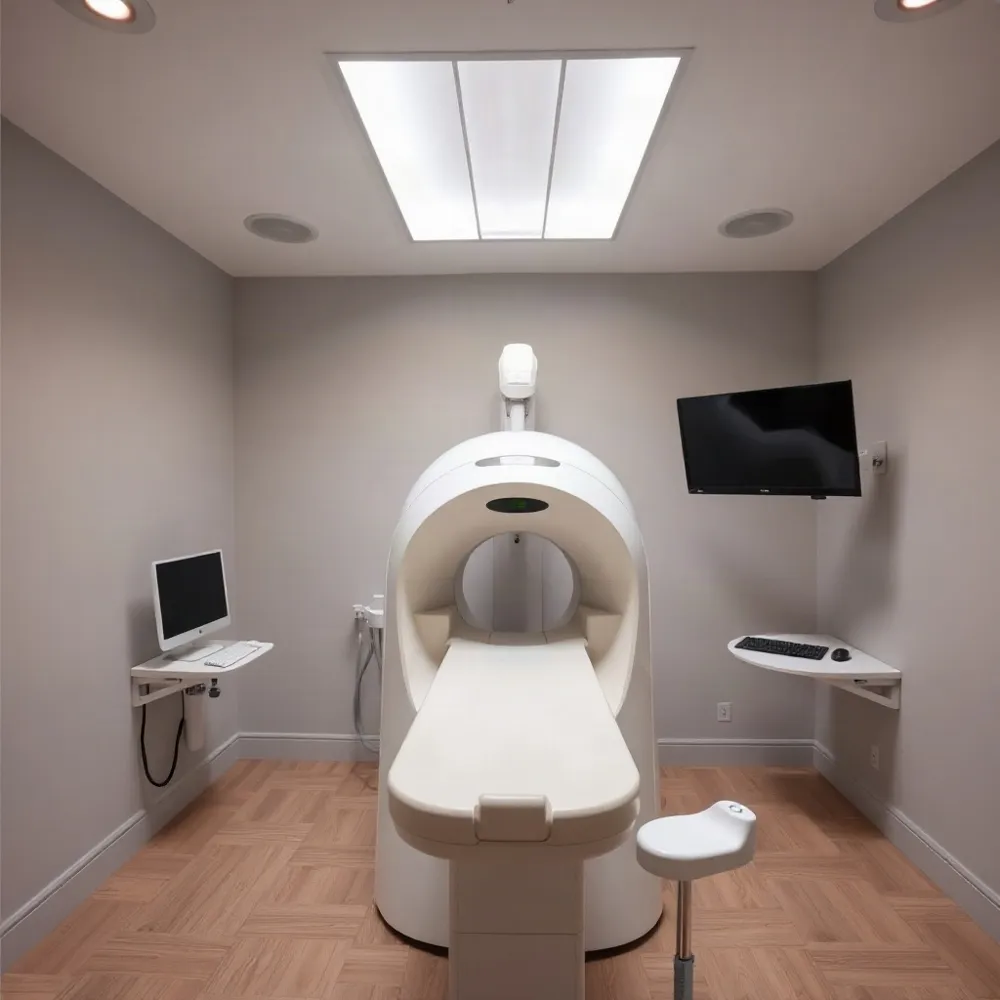
Here in New Jersey, families trust Belmont Dental Associates for reliable, affordable dental care. When your dentist needs to see what’s going on beneath your gums, a detailed scan can provide valuable information. We use same-day 3-D imaging technology to get a clear picture of your teeth and jaw, helping our team understand your unique anatomy and discuss the best care options for you and your family.
If you’re considering a dental implant, a 3-D image can help us check the health and shape of your jawbone and see where nerves and sinuses are located. This information helps us determine the best placement for the implant and whether any additional steps are needed. While imaging is a powerful tool, it guides planning but can’t guarantee outcomes or prevent all complications.
Not every root canal requires a 3-D scan. Often, a regular exam and standard X-rays are enough. But if your tooth has complex roots, a possible hidden canal, or if symptoms are puzzling, a 3-D image can give us the extra detail we need. Your dentist will let you know if a scan would be helpful and will explain any costs upfront, because we believe in clear, honest communication. If you’re feeling anxious about any procedure, ask us about our sedation options, and we’re here to help you feel comfortable.
For orthodontic care, 3-D images can help us see how your teeth are positioned and how your upper and lower jaws fit together. The type of imaging we recommend depends on your specific needs, since more imaging isn’t always better, and we’ll recommend imaging based on your clinical needs and the information it can provide.
Seeing your scan images can make your care plan feel more real. Your dentist will walk you through the areas of concern, explain what the images show (and what they don’t), and compare your options. At Belmont Dental Associates, we take the time to help you understand the reasoning behind every recommendation so you can make an informed decision for yourself and your family.
And with our insurance-free plans, you can ask about available benefits and eligibility; coverage and plan benefits vary.
Choosing the Right Image at the Right Time
Dental images answer different questions. Conventional X-rays can help check for decay, roots, or changes in the jaw during routine care, while a 3-D scan may be considered when the dentist needs a more detailed view to assess a concern or plan treatment. The American Association of Orthodontists’ guidance on dental X-rays explains that images can help assess tooth roots, development, and jaw structure.
Neither type of image is automatically needed at every appointment, and there is no single schedule that suits every patient. Your dentist considers your oral health, age, dental history, risk of problems, and any symptoms before recommending imaging. Belmont Dental Associates uses 3-D imaging for precise diagnostics, while the choice of image still depends on what your dentist needs to learn about your particular concern.
If you have pain, swelling, or another change, tell the office when you call. The dentist can assess whether you should be seen sooner and whether imaging would help clarify the cause. A visual exam may be enough for some concerns, while others may call for an X-ray or more detailed scan.
Before an image is taken, ask what the dentist hopes to check and how the result could affect your care plan. Imaging should be recommended for a clear clinical reason, with exposure kept as low as reasonably achievable. The dentist can explain why one option fits your needs and whether the findings may change the next step in treatment.
Understanding Radiation and Safety
Are 3-D dental scans safe, and what are their potential risks?
A 3D dental scan uses X-rays, so it is not radiation-free. It generally exposes you to more radiation than a standard dental X-ray, but less than a hospital CT scan. The scan can provide useful detail for diagnosis or treatment planning, but more detail is not always needed.
The goal is to use imaging only when the expected benefit to your care justifies the exposure, and to avoid unnecessary or repeated scans. Dental guidelines recommend using X-rays when they are clinically necessary and limiting avoidable exposure (American Association of Orthodontists guidance).
When a scan is recommended, ask what question it is meant to answer and whether a standard X-ray or another method could provide enough information. You can also ask whether the scan can be limited to the area of concern and use the lowest dose that still produces useful images. At Belmont Dental, we use advanced 3-D imaging technology to get precise results, often on the same day. We also offer sedation options for patients who feel anxious about dental procedures, and our insurance-free plans make quality care affordable for New Jersey families.
Tell your dental team if you are pregnant or think you may be. That information helps them consider whether to proceed, take additional precautions, or choose another approach. If you are unsure about the recommendation, ask the dentist to walk you through the expected benefit and any alternatives before the scan.
Asking About Cost and Coverage
How much does a 3-D dental scan cost, and does insurance cover it? A scan may cost about $100 to $600, but that range is only a general estimate, not a Belmont Dental Associates fee. The price can vary with the area being scanned, why the scan is needed, and the dental office.
Before proceeding, ask the dental team for the expected charge and what it includes. Then contact your insurer to check whether the scan is covered for your specific treatment, whether limits apply, and whether preauthorization is needed. Benefits vary by plan and clinical circumstances, so coverage is not guaranteed.
A clear estimate can help you and your family weigh your options without putting off questions about needed care. Belmont Dental’s same-day technology means you can get your scan and results in a single visit, and sedation options are available if you need them. If you do not have insurance, ask Belmont Dental Associates about the in-house Belmont Dental Plan and which options may fit your situation. The plan may help make dental care more affordable, but ask whether it applies to the scan rather than assuming it does.
If the fee or coverage is unclear, request an explanation before scheduling the scan. Knowing the likely out-of-pocket cost can make it easier to plan and discuss alternatives with your dentist.
Preparing for a Comfortable Visit
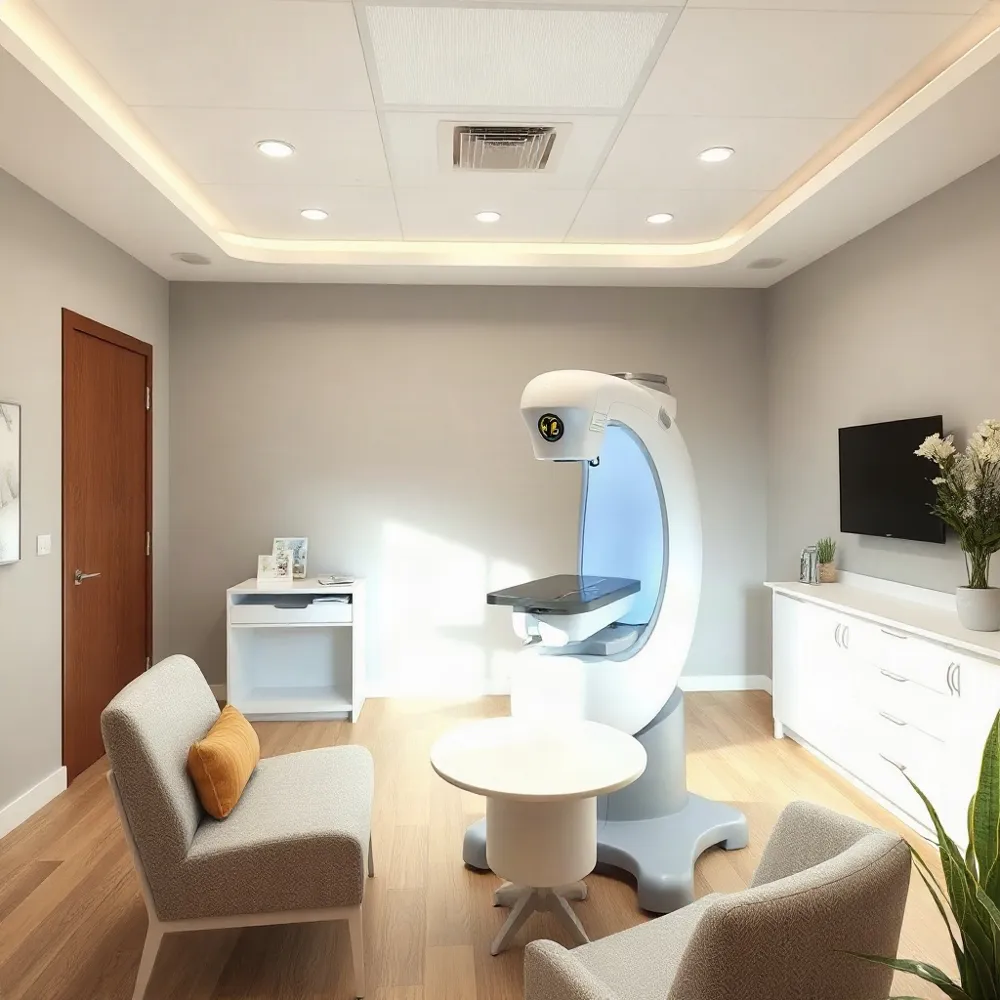
A 3D scan is usually straightforward. The dental team will position you at the machine and ask you to stay still while it captures images. The image-taking itself is brief, though setup and positioning mean the full appointment may take longer.
For a clear image, the team may ask you to remove jewelry, glasses, or removable dental appliances. Follow the instructions you receive, and mention any concerns before the scan begins. If you are bringing a child, explaining the steps in simple terms can help them feel more at ease.
At Belmont Dental Associates, family-focused care includes welcoming patients of different ages and offering sedation options for people who feel anxious about dental treatment. Sedation is not usually needed just for imaging, but you can discuss what would help you feel comfortable. The practice also offers convenient scheduling and same-day emergency appointments, so New Jersey families can talk through timing and care needs with the team.
After the scan, ask your dentist to review the images with you. Seeing the findings can make it easier to understand what the dentist is assessing and how the results may guide your care plan. Belmont’s 3-D dental imaging provides clear images for your dentist, while the conversation with your dentist helps connect those images to your individual needs.
A Plan Built Around Your Needs
Before agreeing to a recommended scan, ask what question it is meant to answer, how the findings could affect your care, and what you may pay. Imaging should support a clinical decision, not be ordered simply because the technology is available. The American Association of Orthodontists explains that dental imaging can help assess tooth roots, jaw development, and tooth position, while the right choice depends on the concern being evaluated; learn more about dental X-rays and their role in care.
At Belmont Dental Associates, 3-D imaging supports precise diagnostics, and the team can discuss what a scan may clarify before treatment planning. New Jersey families can also raise practical concerns, including appointment timing, anxiety or sedation preferences, and costs when they do not have insurance.
For patients without coverage, ask whether the in-house Belmont Dental Plan may help make recommended care more manageable. A clear conversation about the reason for imaging, comfort needs, scheduling, and payment options can help you feel informed and at ease as you decide on next steps.