A Calm First Step
A sudden toothache, a chipped tooth, or a dental injury can unsettle the whole family. When it happens to a child, it may be especially hard to know what to do first. Take a breath, check for serious symptoms, and call a dental professional for guidance.
Simple steps, such as gently rinsing the mouth or using a cold compress, may help while you arrange care. They are temporary measures, not a substitute for an examination. The Cleveland Clinic’s dental emergency guidance recommends contacting a dentist promptly, and seeking emergency medical care for serious injuries such as broken facial bones.
For New Jersey families, Belmont Dental Associates offers same-day emergency appointments and on-site technology that can support diagnosis and treatment during a visit. This guide explains how to recognize urgent problems, protect a knocked-out or broken tooth, and find appropriate help, including when cost or an office’s hours complicate the next step.
Recognize Urgent Dental Problems
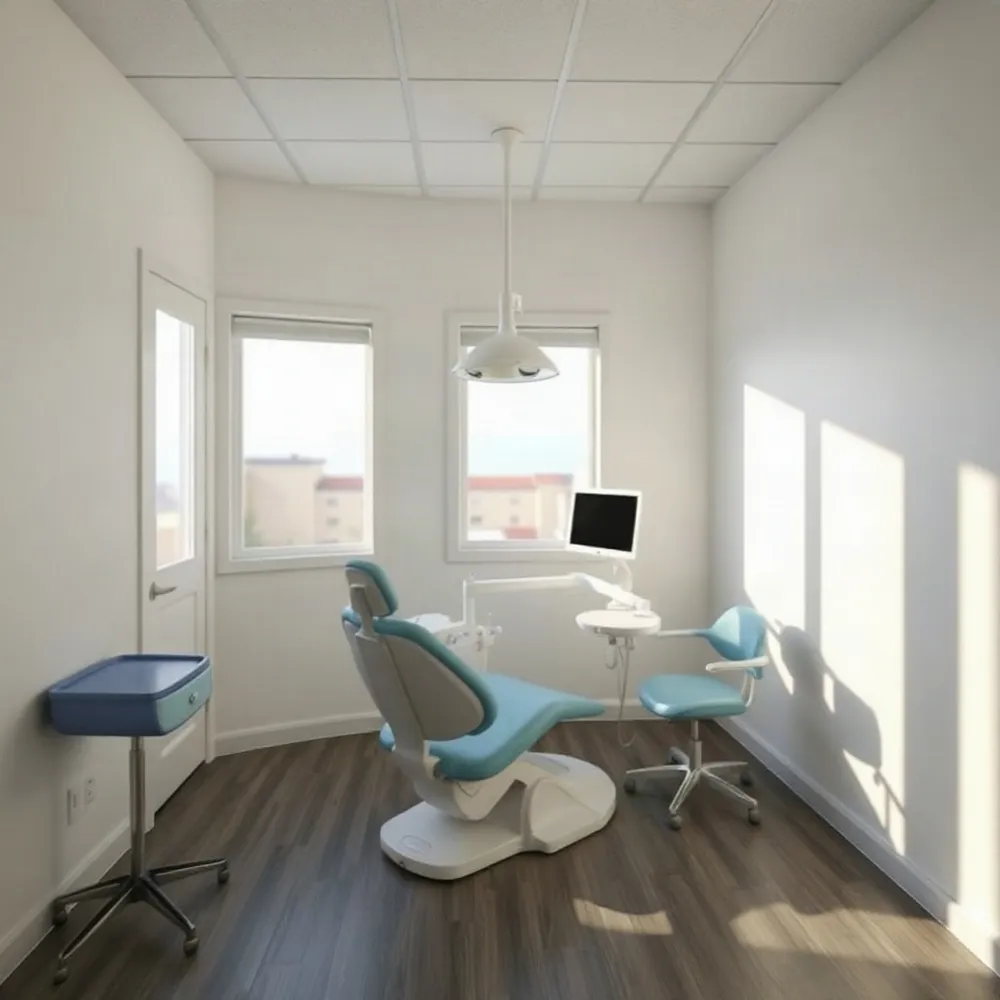
A dental emergency needs prompt attention to ease severe pain, control bleeding, address possible infection, or protect a tooth from further damage. Severe or worsening toothache, a knocked-out or badly cracked tooth, a tooth pushed partly out of place, facial or jaw swelling, and a lost or broken filling or crown can all require urgent dental care. Deep cuts to the lips, gums, or mouth also need assessment. Cleveland Clinic’s guide to dental emergencies explains when to contact a dentist and when emergency care may be needed.
Uncontrolled bleeding, severe pain that does not improve, or swelling that spreads calls for urgent help. Trouble breathing or swallowing, or a serious facial injury, means seeking emergency medical care right away. If you are unsure how quickly a problem needs attention, call a dental professional for guidance rather than waiting.
For a toothache, gently rinse with warm water and floss carefully to remove trapped food. A cold compress held against the outside of the cheek may help with swelling. Do not place aspirin or other pain medicine directly on the tooth or gums, since it can injure the tissue.
An emergency room can assess an injury and address urgent medical concerns, and may help manage pain or swelling. It generally cannot repair a tooth with a filling or crown, so a dentist is needed for definitive treatment. New Jersey families can ask Belmont Dental Associates about same-day emergency appointments when available. For a broken tooth, save any pieces, rinse gently, and call a dentist promptly to discuss repair or removal.
Protect a Knocked-Out Tooth
If a permanent tooth is knocked out, call a dentist right away and arrange care as soon as possible. Quick action gives the tooth its best chance of being saved, but home first aid is only a bridge to professional treatment.
Pick up the tooth by its crown, the visible part of the tooth, and avoid touching the root. If it is dirty, rinse it gently with milk or saliva. Do not scrub it, dry it, or wrap it in tissue, since these steps can harm the root surface. The Mayo Clinic’s tooth-loss first aid guidance recommends keeping the tooth moist while seeking emergency dental care.
If the tooth slips back into its socket easily, gently place it there without forcing it, then hold it in position with clean gauze. If it will not go back in, keep it moist in milk or saliva as you travel to the dentist. Do not store it in tap water or let it dry out.
For a child, first check whether the tooth is permanent or a baby tooth. Never put a knocked-out baby tooth back into its socket, because doing so may harm the permanent tooth developing underneath. Belmont Dental Associates offers same-day emergency appointments, and its on-site CAD/CAM system can produce permanent ceramic crowns in one visit when that treatment is appropriate. Call the office for guidance on where to go and what to do next.
Respond to a Broken Tooth
If part of a tooth breaks off, rinse your mouth gently with warm water and collect any fragments in a clean container. Bring them to your dental appointment, since they may help your dentist assess the damage.
For swelling, hold a cold compress against the outside of your cheek. An over-the-counter pain reliever may help if it is safe for you; follow the label directions. Avoid chewing on the injured side, and cover a sharp edge with dental wax if you have some. These steps can help while you arrange care, but they do not replace a dental exam. The Cleveland Clinic’s broken-tooth guidance recommends saving fragments and seeking prompt dental attention.
Contact Belmont Dental Associates promptly, even if the break looks small. Same-day emergency appointments may be available, and the office’s on-site CAD/CAM system can mill permanent ceramic crowns in a single visit when a crown is the appropriate treatment.
Severe pain, bleeding that will not stop, or significant facial swelling calls for urgent attention. Seek emergency medical care for serious or potentially dangerous symptoms, then arrange dental follow-up. If cost is a concern, Belmont Dental Associates also offers the in-house Belmont Dental Plan for patients without insurance.
Find Help on Weekends and on a Budget
If a dental problem starts on a weekend or after regular hours, call a dental office anyway. Describe the symptoms, explain when they began, and ask what to do next and whether an appointment is available. The Cleveland Clinic’s dental emergency guidance recommends contacting a dentist first; an emergency room may help with severe symptoms, but a dentist is needed for treatment such as a filling or crown.
Belmont Dental Associates offers same-day emergency appointments when available, but availability outside office hours is not guaranteed. Call to ask whether the team can see you and what steps to take while arranging care. In the meantime, rinse gently with warm water and place a cold compress against the outside of your cheek if there is pain or swelling. Do not put pain medicine directly on your teeth or gums, since it can injure the tissue.
What should I do if I have a dental emergency on a weekend?
If a permanent tooth is knocked out, hold it by the crown, keep it moist in milk if it cannot be placed back gently, and seek dental care promptly. Trouble breathing or swallowing, rapidly spreading swelling, or bleeding you cannot control calls for emergency medical care rather than waiting for a dental appointment.
Can I get emergency dental care if I don’t have insurance or much money?
Yes. A tight budget or lack of insurance should not stop you from asking for guidance. When you call Belmont Dental Associates, explain your symptoms and budget, then ask about expected costs and payment options before treatment. The practice offers the in-house Belmont Dental Plan for patients without insurance. Contact the office for current pricing, plan details, and whether it fits your needs.
If symptoms include severe or spreading swelling, difficulty breathing or swallowing, or uncontrolled bleeding, seek emergency medical care right away, regardless of cost concerns.
Make the Call Promptly
Calm first aid can protect a tooth and ease discomfort while you wait, but it cannot replace an examination or treatment. Call a dental professional, describe what happened and follow their advice about what to do next. The Cleveland Clinic’s dental emergency guidance explains when to contact a dentist and when hospital care may be needed.
New Jersey families can contact Belmont Dental Associates promptly to ask about an emergency appointment, treatment options and expected costs. Same-day emergency visits, on-site technology for making permanent crowns in one visit, sedation options and the in-house Belmont Dental Plan may help address common concerns about delays, anxiety and paying without insurance.
Severe tooth pain, a dental injury or signs of infection call for timely dental advice. Trouble breathing or swallowing, a serious facial injury or bleeding that will not stop requires emergency medical care. When you are unsure, call for guidance rather than waiting.