Making Dental Visits Feel Manageable
If dental anxiety has led you to postpone care, you are not alone. For adults in Haledon, Caldwell, and nearby New Jersey communities, even thinking about an appointment can feel stressful. Putting off needed treatment may allow a dental problem to become more serious, so it is worth telling your dentist what worries you.
Sedation dentistry uses medication to help some patients feel calmer during treatment. Depending on the method, you may stay awake and able to respond while feeling more relaxed. Sedation does not replace numbing medicine, and the right option depends on your health, comfort level, and planned procedure. Cleveland Clinic’s guide to sedation dentistry explains common approaches and what patients may expect.
At Belmont Dental, you can discuss your concerns with the dental team before deciding whether sedation may fit your care. Preparation and recovery instructions vary, so ask what applies to you, including whether you will need someone to drive you home. The office also offers same-day emergency appointments, which can help local families address urgent dental needs without a long wait.
Sedation Options Depend on Your Needs
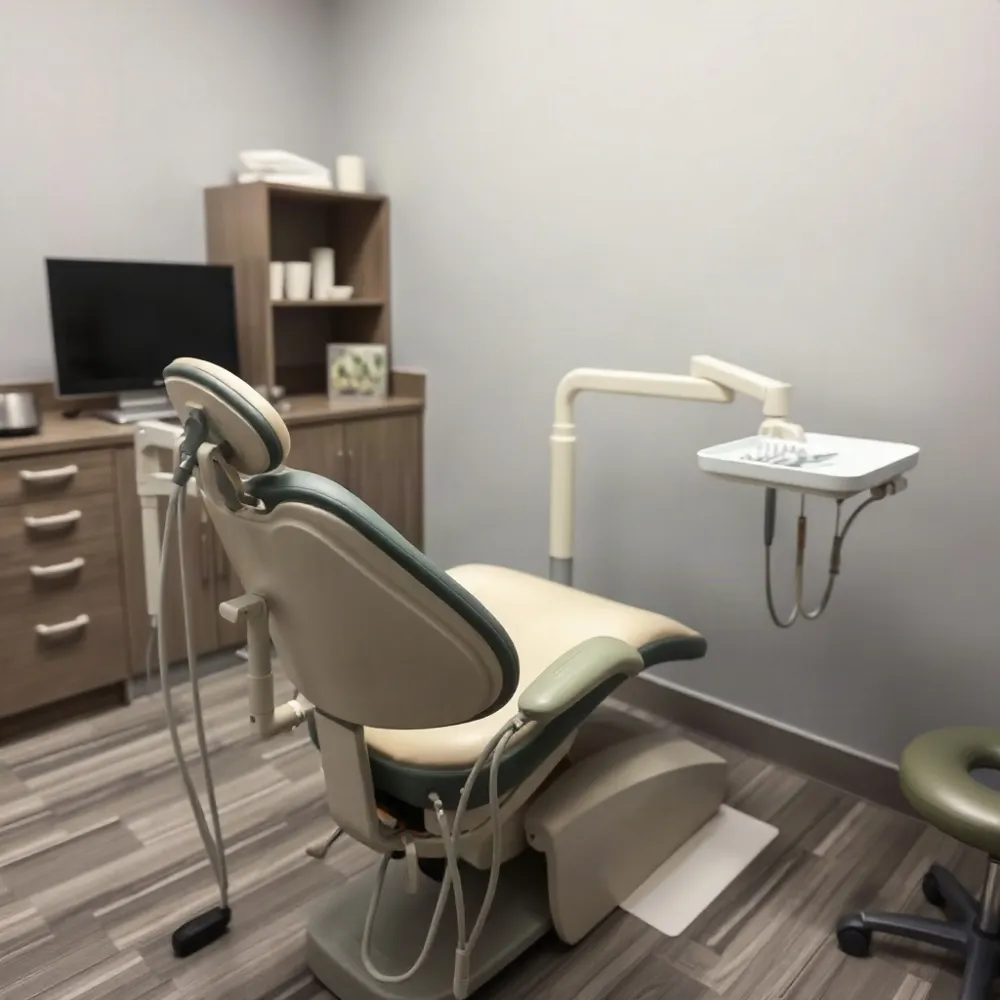
The right approach depends on your comfort, health history, and the treatment planned. At Belmont Dental, sedation can be part of a more manageable visit, but ask the team which methods are currently available and suitable for you.
What sedation options may be available for dental treatment?
Common dental-office options include nitrous oxide, oral conscious sedation, and intravenous (IV) sedation. Nitrous oxide is breathed through a small mask or nosepiece and usually wears off quickly. Oral sedation uses prescribed medication and may cause pronounced drowsiness. IV sedation delivers medication into the bloodstream and is the deepest form of conscious sedation described for dental-office care. Your dentist considers your health and preferences alongside the procedure when discussing options. Cleveland Clinic’s guide explains these methods and how they differ.
Sedation does not replace local anesthetic. The dentist still numbs the treatment area to help prevent pain while sedation is intended to ease stress and support comfort. General anesthesia is different from conscious sedation and may be arranged in specific situations, such as treatment that requires an anesthesia professional.
Before deciding, ask Belmont Dental which options fit your planned care, whether you will need a ride home, and what preparation and recovery involve. Clear answers can help you choose a plan that feels manageable for you and your family.
Awareness and Comfort During Treatment
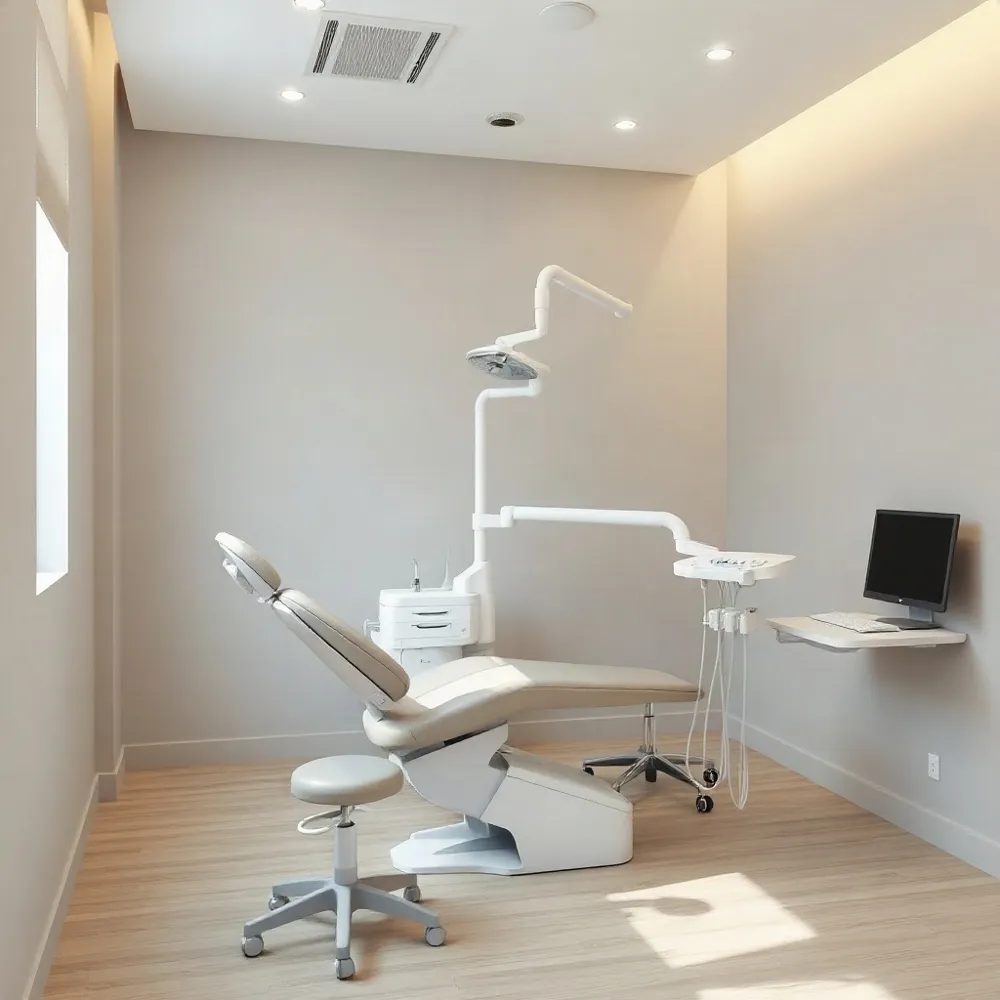
If you are considering sedation at Belmont Dental, ask the team to explain how the planned approach may affect your awareness and comfort. The experience varies by method and from person to person.
Will I be awake during dental sedation, and will I still feel pain?
With conscious sedation, patients are generally awake and able to respond to instructions, though they may feel relaxed, drowsy, or less aware of discomfort. Deeper forms can cause substantial sleepiness, and some people may sleep or remember little of the procedure. Cleveland Clinic’s overview explains that awareness depends on the method.
Sedation helps ease anxiety, but it does not replace local anesthetic. The dentist usually numbs the teeth and gums separately before treatment, so ask how pain control will be handled for your procedure.
Tell your dentist if you feel pain or have a concern during care. Belmont Dental also offers same-day ceramic crowns using on-site digital technology, which can reduce the need for a separate crown visit when that treatment is appropriate.
How the Dental Team Chooses Medication
If you are a New Jersey resident discussing sedation with Belmont Dental, ask how the proposed medication fits your health and treatment plan. The choice is personal, not one-size-fits-all.
What medications are used for dental sedation, and how are they chosen?
Dental sedation may involve inhaled nitrous oxide, oral medication, or IV sedation. The dentist selects the medication and dose based on your specific needs. Oral medications may be prescribed, and the dentist will choose what is best for you.
The recommendation can depend on your anxiety, the type and length of treatment, health history, current medicines, allergies, past reactions to sedation, and personal preferences. Sharing these details helps the dental team assess which approach may suit your needs. Cleveland Clinic’s overview of sedation dentistry also explains that the planned procedure and a patient’s health inform the choice.
Sedation and local anesthetic serve different purposes. Sedation helps you feel calm, while local anesthetic numbs the area to prevent pain. Belmont Dental offers care for anxious patients, and the team can explain how sedation and numbing fit into your appointment.
Safety Starts With an Honest Health Review

For New Jersey families seeking gentle, affordable dental care, sedation can help you receive treatment that anxiety has made difficult. However, it is not risk-free or right for everyone. Before deciding, your dentist at Belmont Dental will carefully weigh your health, the treatment planned, and the level of sedation being considered.
Is dental sedation safe, and what factors affect the risks?
It may be appropriate for many patients, but medical conditions, allergies, current medications, past reactions to sedation or anesthesia, and the procedure all matter. Tell your Belmont Dental team about these details, including medicines and supplements, so they can assess your situation and discuss a suitable approach. The guide to sedation dentistry explains that the choice depends on factors such as health, anxiety, procedure length, and patient preferences.
Possible side effects include dry mouth, prolonged drowsiness, headache, nausea or vomiting, and bruising where an IV was placed. Experiences vary from person to person. With IV sedation, your dental team monitors heart rate and blood pressure and can adjust the dose during treatment.
If you are pregnant or may be pregnant, tell your dentist before treatment. Sedation may be deferred because some medications could affect fetal development, so discuss timing and alternatives with the dental team. At Belmont Dental, the team offers sedation options and can discuss costs and your health history alongside your planned care. Ask for instructions about transportation and recovery before your appointment, and follow them closely.
Prepare With Instructions From Your Dentist
Before your appointment, give the dental team a full picture of your health. Share medical conditions, prescription and over-the-counter medicines, vitamins or supplements, allergies, and any past reactions to sedation or anesthesia. These details help the team consider what may be appropriate for you. Belmont Dental’s team can explain what to expect during your visit and help you plan care around your family’s needs.
How should I prepare for dental sedation, and what should I avoid beforehand? Follow the instructions Belmont Dental gives you for your specific plan. Whether you need to fast, which medicines you may take, and when to take them can depend on the sedation method and your health. Ask the office if anything is unclear, and do not stop or change regular medication without guidance. For additional information, you can refer to Cleveland Clinic’s preparation guidance, but always follow Belmont Dental’s specific instructions.
Let the office know if you become ill or your health changes before treatment, rather than guessing whether the appointment should go ahead. If your sedation plan may affect alertness, ask whether you need a responsible adult to drive you home and make arrangements in advance. Clear answers before the visit can make preparation easier for you and your family. Ask Belmont Dental about costs and what to expect during your visit.
Plan for a Safe, Unhurried Recovery
What should I expect during recovery from dental sedation?
Your recovery will depend on the type of sedation you receive and how your body responds. Nitrous oxide usually wears off within 15 to 30 minutes. Oral or IV sedation can leave you drowsy for hours, and its effects may take up to 24 hours to wear off. Cleveland Clinic’s guidance on sedation recovery explains these differences.
Your family’s comfort and safety are important. Ask the Belmont Dental team which sedation options may suit you and what costs to expect.
If you receive oral or IV sedation, arrange for a responsible adult to take you home. Do not drive for 24 hours, and plan to take it easy the following day. Even if you feel more alert than expected, medication can affect your judgment and coordination.
Follow your dental team’s instructions about eating, drinking, medications, and activity. Those directions may depend on both the sedation used and the treatment you received, so avoid relying on general timelines alone. Before your visit, you can also review sedation choices and discuss what aftercare may involve with Belmont Dental Associates.
Call your dentist if you are still groggy 24 hours later or experience nausea or vomiting. If anything about your recovery concerns you, contact the office for advice rather than guessing whether it is expected.
Ask About Costs Before Scheduling
For New Jersey families, knowing what care will cost can make it easier to plan an appointment. Belmont Dental offers the in-house Belmont Dental Plan for patients seeking care without insurance. The team can explain the plan’s terms alongside an estimate for your treatment.
Does the Belmont Dental Plan help cover the cost of dental sedation?
The plan may help make dental care more affordable, but the available information does not confirm whether it covers sedation or reduces its cost. Sedation fees can depend on the method and your treatment needs. Ask Belmont Dental Associates for a clear estimate and whether the plan applies before scheduling.
If sedation is part of your treatment discussion, ask what the quoted fee includes and whether it is separate from the dental procedure. The The overview of sedation dentistry explains that options are chosen based on factors such as health, preferences, anxiety, and procedure length. Confirm the recommended approach and costs directly with the Belmont Dental team.
A Conversation Can Be the First Step
If fear has kept you from booking care, you deserve a calm, judgment-free conversation. Anxiety is worth mentioning: delaying needed treatment can allow dental problems to become more serious, and sedation may be one option to discuss with your dentist. Cleveland Clinic’s guide to sedation dentistry explains why choices depend on the person and procedure.
At Belmont Dental, you can talk through your concerns, health history, possible options, preparation, recovery, and expected costs before making a decision. The team can also explain whether its same-day crown technology or insurance-free Belmont Dental Plan may be relevant to your broader care.
There is no need to settle on a plan in advance. Start with your questions, and work with the dental team to decide what feels appropriate for your needs.