When an Injury Needs Attention
A sudden tooth injury can be frightening, whether it happens during a child’s game, a family meal, or an adult’s commute. You do not need to figure out the treatment on your own. Calling a dentist promptly is a practical first step, even when the injury looks small or does not hurt.
This guide explains how to spot warning signs, protect an injured tooth while arranging care, and decide when a hospital emergency department is more appropriate. Most dental injuries can be assessed by a dentist, while suspected facial fractures, severe pain, or bleeding that will not stop may need emergency medical care, as Cleveland Clinic’s dental emergency guidance explains.
For families in Haledon, Caldwell, and nearby New Jersey communities, Belmont Dental Associates provides family dental care and same-day emergency appointments when available. The practice’s 3-D imaging supports injury assessment, and its team can discuss comfort options, including sedation, when planning care.
Recognize Urgent Dental Warning Signs
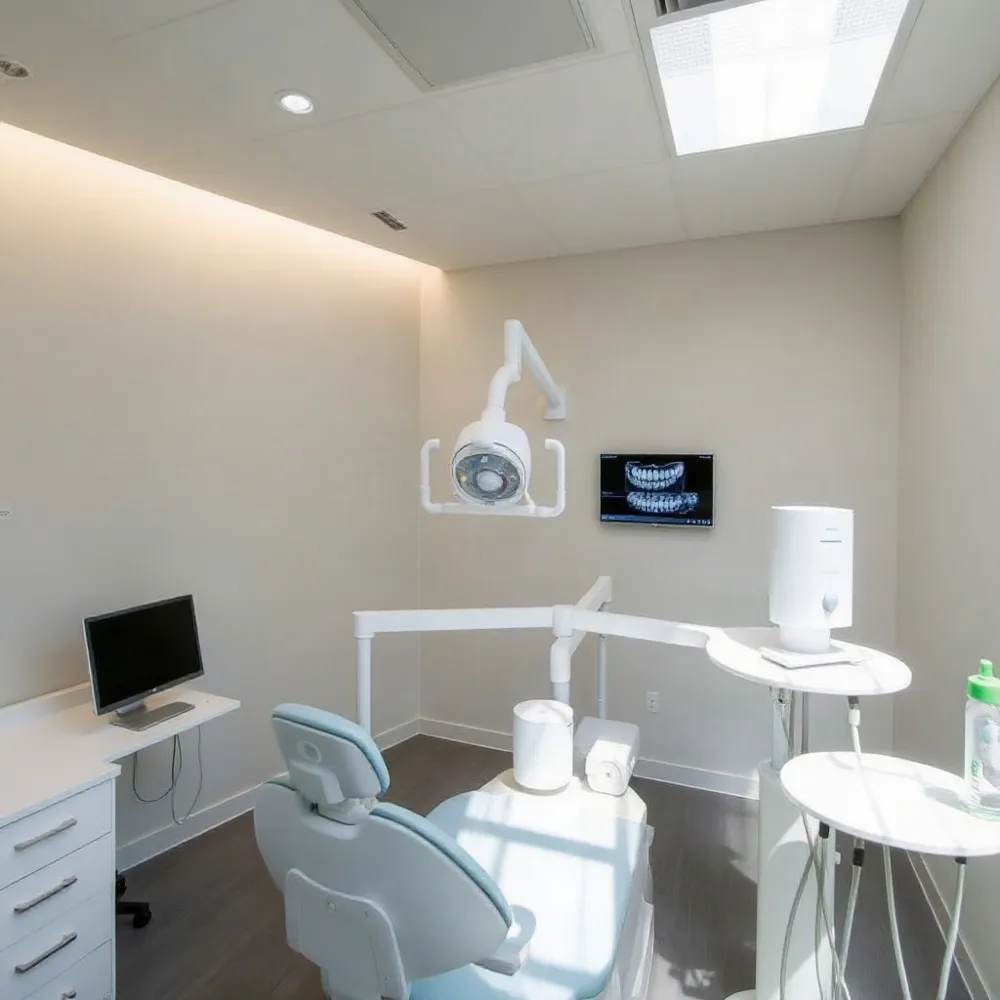
A dental emergency is a problem that needs prompt attention to relieve severe pain, control bleeding, or prevent further damage. After an injury, symptoms may not show the full extent of harm, so contact a dentist promptly for advice, even if you are unsure how serious it is. The Cleveland Clinic’s dental emergency guidance explains when to seek urgent dental or medical care.
What counts as a dental emergency?
Warning signs include intense or worsening tooth pain, a knocked-out, badly cracked, loose, or displaced tooth, swelling in the face or jaw, and a pimple-like bump that may signal an abscess. A lost filling or crown also needs attention if it causes pain or leaves the tooth exposed. Deep cuts to the lips or gums, or bleeding that will not stop, should be assessed urgently.
Call a dentist, describe what happened and the symptoms, and ask whether you should be seen the same day. A prompt call lets the team advise you on the next step while you arrange care.
Some symptoms call for emergency medical care rather than a dental appointment. If there is trouble breathing or swallowing, rapidly spreading swelling, uncontrolled bleeding, severe pain that does not ease, or a suspected broken facial bone, seek emergency care right away or call 911. For a knocked-out permanent tooth, handle it by the crown, avoid touching the root, and arrange immediate dental care; Mayo Clinic’s first-aid guidance explains how to protect the tooth while you seek help.
Protect an Injured Tooth Before Care
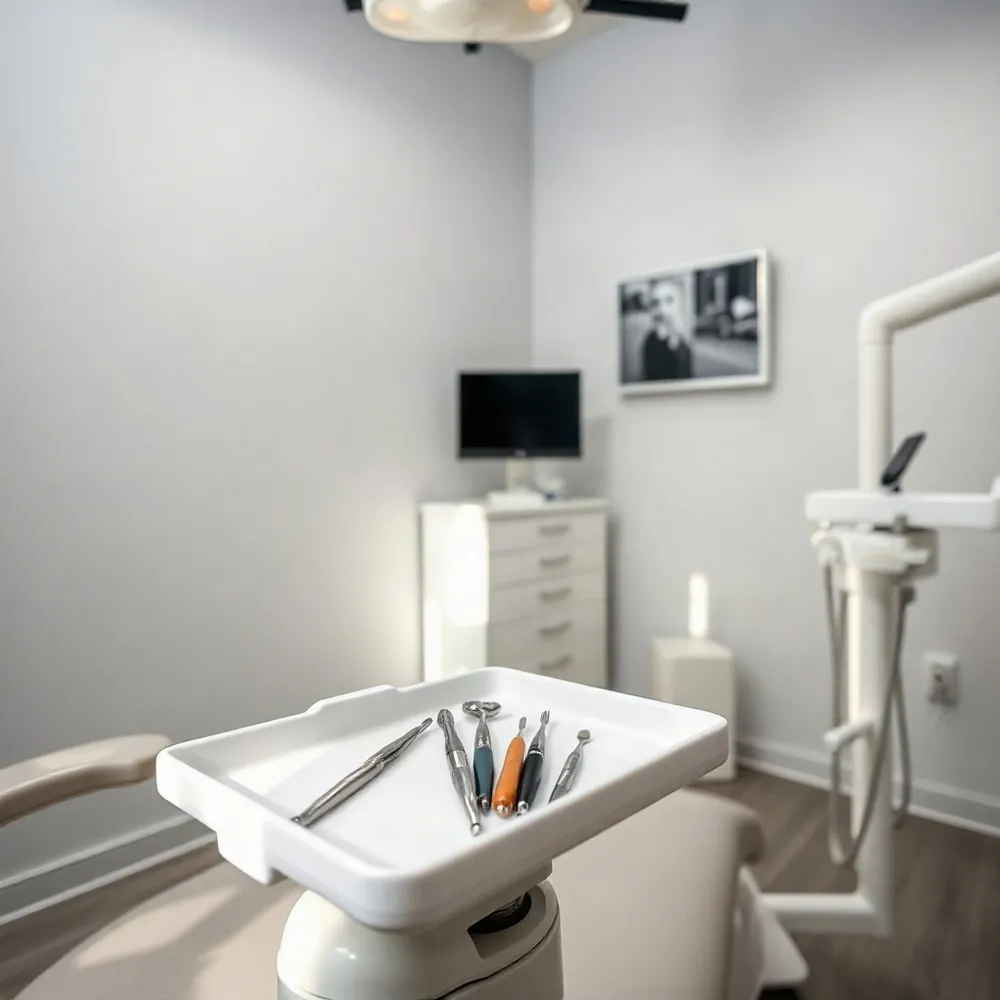
If you or your child has a dental injury, call us promptly for advice. Rinse gently with warm water, apply a cold compress to the outside of the cheek if there is swelling, and save any broken pieces to bring to the appointment. Keep the area clean by brushing carefully with a soft-bristled toothbrush, without pressing on the injured tooth. Avoid chewing on that side, picking at a crack, or using sharp tools to remove anything stuck between teeth.
What should I do if a permanent tooth is knocked out?
Arrange urgent dental care right away. Pick up the tooth by its crown, the visible chewing surface, and avoid touching the root. If it is dirty, rinse it gently with milk or salt water, but do not scrub it or let it dry. If it can be placed back easily and safely, position it in the socket without forcing it and hold it with gentle pressure from clean gauze. Otherwise, keep it moist in milk or saliva as you travel. Do not put a baby tooth back in its socket. Mayo Clinic’s first-aid guidance also advises handling a knocked-out permanent tooth by the crown and seeking care as soon as possible.
Time matters because prompt treatment may improve the chance of saving a permanent tooth. We offer same-day emergency appointments for families in Haledon, Caldwell, and nearby New Jersey communities. If treatment is needed, we also provide sedation options to help you and your child feel comfortable during the procedure. And with our insurance-free plans, you can get the care you need without worrying about coverage. Call as soon as you can, and follow the treating clinician’s instructions if they differ from general first-aid guidance.
Should I brush a fractured or injured tooth?
Yes, brush gently around the area, but avoid pressure on the injured tooth. A warm-water rinse can help clear debris. Contact us even if the damage seems minor, since an examination can reveal problems that are not obvious at home. Seek urgent care if the tooth is loose, badly broken, or very painful. American Association of Endodontists’ trauma guidance recommends prompt examination after dental injuries, even when they appear minor.
How Dentists Assess Tooth Injuries
After a blow or fall, contact a dentist promptly if a tooth feels loose or shifted, is chipped or cracked, hurts when touched or when you bite, or has become newly sensitive. A knocked-out tooth needs immediate attention. Severe pain, swelling, or bleeding that will not stop also calls for urgent care. If an injury affects breathing or swallowing, seek emergency medical help.
How can I tell whether a tooth injury needs prompt dental care?
A small chip can hide damage, and a tooth may be injured even when it looks nearly normal or no longer hurts. A dental exam, and X-rays when needed, can help show the extent of the injury. Symptoms can include looseness, discoloration, pain, and swelling, and assessment helps guide care. Save any broken pieces and use a cold compress on the outside of the face if there is swelling while you arrange an appointment.
Belmont Dental Associates offers same-day emergency appointments in Haledon, Caldwell, and nearby New Jersey communities, with 3-D imaging to support accurate diagnosis. We also provide sedation options for patients who feel anxious and insurance-free plans to keep care affordable for your family. Imaging and examination help the dentist decide what is appropriate, rather than choosing treatment based on appearance alone.
Can tooth nerve damage or pain after an injury heal on its own?
Mild soreness may ease as tissues recover, but fading pain does not confirm that the inner tooth is healthy. Damage can worsen or infection may develop later, sometimes bringing renewed pain or discoloration. Depending on the findings, care may involve monitoring, bonding, a filling, a crown, root canal treatment, or stabilizing a displaced tooth. Ask the dentist what the exam shows and what follow-up is needed. Seek prompt assessment after an impact, especially for severe pain, swelling, a displaced tooth, or a tooth that has been knocked out.
Choose the Right Place for Care
Should I go to a dentist, urgent care, or the emergency room for tooth pain?
For most tooth pain and injuries, give your dentist a call first. Your dentist can check out problems like a broken or knocked-out tooth and provide treatment that an emergency room usually can’t, such as fillings or crowns. Cleveland Clinic’s dental emergency guidance explains when to see a dentist and when an emergency room might be needed.
At Belmont Dental Associates, we offer same-day emergency appointments when available. Our office uses advanced same-day technology for quick and accurate diagnosis, and we provide sedation options to help you stay calm and comfortable during treatment. Plus, our insurance-free plans make quality dental care affordable for your family. If you’re in Haledon, Caldwell, or a nearby community, call us to ask about urgent care and appointment availability.
If you can’t reach a dentist, urgent care or an emergency room may help with a medical concern or temporary symptom relief, but follow up with a dentist to address the dental cause.
Seek emergency medical care for trouble breathing or swallowing, rapidly spreading facial swelling, bleeding that won’t stop, suspected broken facial bones, or another serious medical emergency. For less severe symptoms, a dentist can help you decide where to go.
What should I do about a dental emergency at night or on a weekend?
Call your dental office and listen to the voicemail for after-hours instructions or an emergency contact. Belmont Dental Associates patients can contact us as soon as possible to ask about urgent care; same-day appointments may be available. If the office is closed and you can’t reach a dentist, seek urgent care or emergency services if your symptoms need attention, then arrange dental follow-up.
While waiting for advice or care, rinse gently with warm water, use a cold compress on the outside of the cheek for swelling, and hold clean gauze with steady pressure on a bleeding area. For a knocked-out permanent tooth, follow the steps above and seek prompt dental care. The American Association of Endodontists’ guidance on knocked-out teeth gives additional steps for protecting the tooth.
Ask About Costs and Comfort Options

A tooth injury can be stressful enough without worrying about the bill, especially if you are a New Jersey resident without dental insurance. Still, severe pain, swelling, bleeding, or a broken tooth should not be left unassessed because of cost concerns. Call a dental office promptly, explain what happened and what symptoms you have, and share your budget so the team can discuss practical next steps.
Belmont Dental Associates offers same-day emergency appointments when available. Ask the team for an estimate and likely treatment timeline before agreeing to care, along with any payment options that may be available. Costs depend on the injury and recommended treatment, so an estimate is specific to your situation and is not a guarantee of coverage or final fees.
For patients without insurance, Belmont Dental Associates has an in-house Belmont Dental Plan. Ask what the plan covers and whether it applies to the urgent assessment or treatment you need. If anxiety makes a visit harder, ask whether sedation is suitable for you and what it involves. The practice offers sedation options, but the right choice depends on your needs and the planned care.
If swelling is spreading quickly or you have trouble breathing or swallowing, seek emergency medical care right away. For other urgent dental concerns, Cleveland Clinic’s guidance on dental emergencies advises contacting a dentist for instructions.
Follow Through and Protect Teeth
If you or a family member experiences a dental injury, follow the care instructions your dentist gives you and attend recommended checkups. Healing depends on the type of damage, and some injuries need monitoring to catch changes that may not be obvious at home. Dental specialists’ guidance on traumatic dental injuries notes that follow-up examinations may be needed after an injury.
Prompt assessment and continued care can help limit complications such as spreading infection, increased tooth mobility, or tooth loss, though no treatment can guarantee a particular outcome. At Belmont Dental Associates, the on-site 3-D imaging and same-day crown technology can support assessment and treatment planning when appropriate.
For prevention, wear a mouthguard during contact sports, use seatbelts, avoid chewing ice, and never use teeth to open packages or other objects.
If an injury happens, take a breath, call a dentist, and explain what happened and what symptoms you notice. Ask about scheduling and whether the insurance-free Belmont Dental Plan may fit your family’s needs.
Make the Call Without Delay
After a sudden tooth injury, a quick call to a dentist can help you choose safe first-aid steps and arrange an appropriate evaluation. Prompt attention matters, even when the injury seems manageable, because some damage is not obvious at first. Cleveland Clinic’s dental emergency guidance recommends contacting a dentist for instructions.
Families in Haledon, Caldwell, and nearby New Jersey communities can contact Belmont Dental Associates to ask about same-day emergency availability, sedation options, and the in-house Belmont Dental Plan for patients without insurance. The practice also uses on-site CAD/CAM technology to make permanent ceramic crowns in a single visit when clinically appropriate.
For difficulty breathing or swallowing, rapidly spreading swelling, bleeding that will not stop, or a serious facial injury, seek emergency medical care right away. Once the immediate danger is addressed, follow up with a dentist about the injured teeth and mouth.