Finding Comfort During Your Dental Visit
If the thought of a routine checkup makes you feel uneasy, you are not alone. While professional dental cleanings are essential for maintaining your smile, it is completely normal to experience mild sensitivity during or after the procedure. Up to 60% of patients report some degree of post-cleaning discomfort, as the process of removing plaque and tartar temporarily exposes the tooth surface.
At Belmont Dental Associates, we believe your comfort is just as important as your oral health. Our team specializes in sedation dentistry and gentle techniques to ensure every visit is a positive experience for your family. In the following sections, we share practical ways to manage sensitivity at home, along with tips to help you enjoy a lifetime of comfortable, stress-free dental care.
Why Do Teeth Feel Sensitive After a Cleaning?
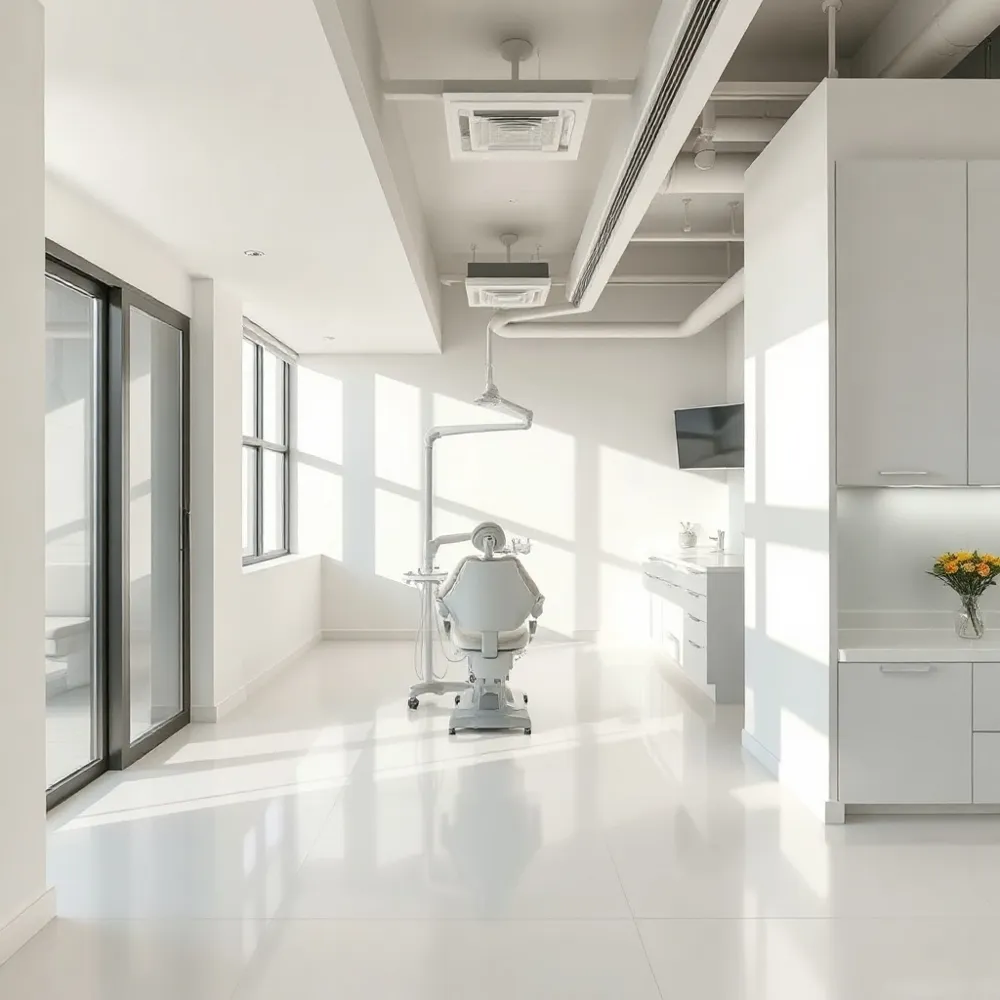
It is completely normal to experience some temporary sensitivity or mild discomfort after a professional cleaning, as the process involves removing plaque and tartar that may have been insulating your teeth and gums. As these deposits are cleared away, your underlying dentin may be temporarily exposed, which can lead to heightened awareness of cold or hot stimuli. Many people notice a bit of extra sensitivity for a day or two, and this usually fades within a week as your gums settle and your enamel naturally recovers. If you find it lingering or uncomfortable, please reach out to us. Our compassionate team at Belmont Dental Associates is always here to make sure you feel at ease during your recovery. If you ever have concerns about your oral health, we are happy to chat and ensure your smile stays happy and healthy!
Health Conditions That Worsen Sensitivity
What health conditions can cause tooth sensitivity? Tooth sensitivity occurs when your protective enamel wears away, exposing the sensitive inner layer called dentin that contains pathways to your tooth’s nerves. Common health-related causes include gum disease, which exposes sensitive roots, or conditions like bruxism—the medical term for grinding or clenching your teeth—which wears down enamel over time. You might also experience discomfort due to cavities, cracked or chipped teeth, or even temporomandibular disorders.
Beyond these factors, your daily habits play a significant role. Using a hard-bristled toothbrush or brushing with excessive force can accelerate enamel loss, while frequent consumption of highly acidic foods and drinks erodes the surface of your teeth, increasing vulnerability to cold and heat. If you are dealing with this persistent discomfort, our team at Belmont Dental Associates is here to help. We provide a professional exam using our advanced 3-D imaging to identify the specific cause of your sensitivity and help you get back to enjoying your favorite foods comfortably.
We understand that oral health concerns can feel overwhelming, which is why we offer flexible options like our Belmont Dental Plan for those without insurance. Whether your sensitivity stems from long-term wear or active gum inflammation, our office prioritizes a gentle approach to treatment. If anxiety prevents you from seeking care, please ask about our sedation dentistry services, designed to ensure you remain completely relaxed during your visit.
Gentle Cleaning Techniques We Use
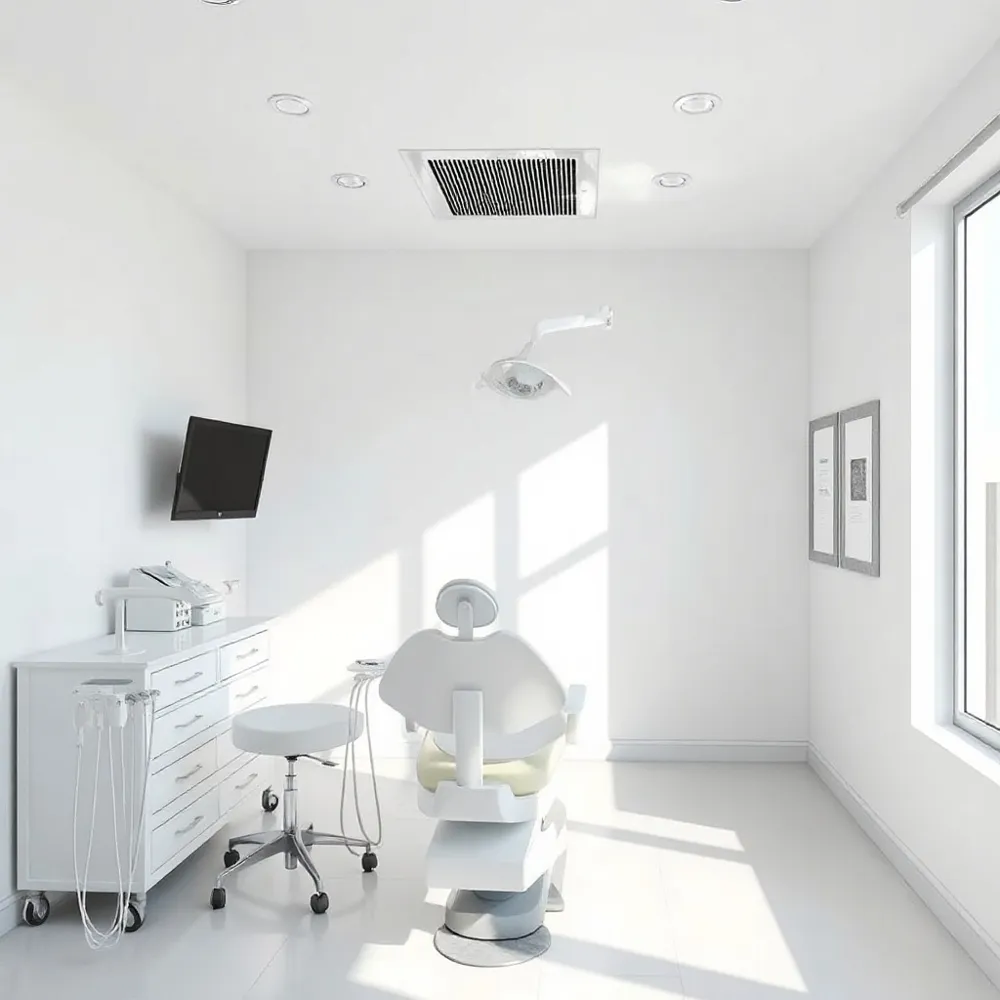
We understand that visiting the dentist can feel a bit unsettling for some of our neighbors, and we are here to make your visit gentle and calming. Our team at Belmont Dental Associates uses ultrasonic scalers, which use gentle vibrations to remove buildup much more comfortably than traditional metal hand tools. Because cold water can sometimes trigger sensitivity, we can adjust the temperature of our equipment to keep you comfortable from start to finish.
For those with extra sensitivity, we offer topical numbing agents to ensure you feel completely at ease throughout your appointment. If you still feel anxious, we provide sedation dentistry options designed to help you relax while we keep your smile healthy. We care about your comfort, and we are always happy to go at your pace to make sure you have a positive, pain-free experience.
What techniques are used to minimize discomfort during a dental cleaning?
Beyond our specialized equipment, we prioritize your peace of mind by maintaining a welcoming environment. Whether you need a quick routine checkup or require our same-day emergency services, our team focuses on making you feel at ease. By using numbing gels and ultrasonic technology instead of older manual scraping methods, we reduce the physical triggers that often cause discomfort, ensuring you stay relaxed throughout your visit.
Should You Take Pain Medication Before a Cleaning?
Deciding whether to take medication before your visit is a personal choice, but we encourage you to consult with our office first. While some patients find that taking over-the-counter ibuprofen helps reduce potential inflammation and sensitivity during their appointment, it is important to consider individual medical histories. Certain medications may have contraindications or interact with treatments, making a quick conversation with our team the safest approach.
At Belmont Dental Associates, we prioritize your comfort above all else. If you are worried about discomfort, we offer various sedation dentistry options designed to help you stay completely relaxed and at ease throughout your care. These alternatives often provide a more effective solution for anxiety than self-medicating. Please share any concerns when you schedule your visit so we can tailor your experience to be as smooth and gentle as possible.
Soothing Post-Cleaning Sensitivity at Home
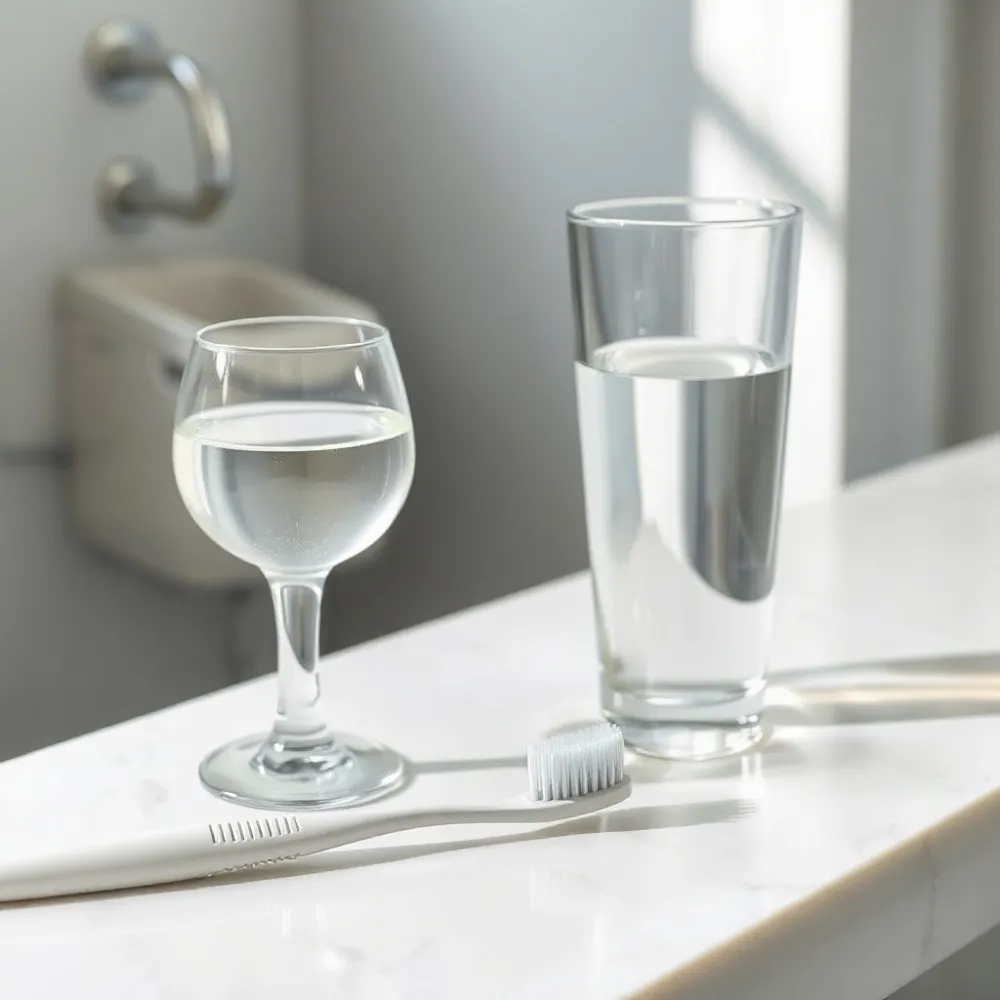
It is common to experience a little sensitivity after a professional cleaning, but you do not have to just grin and bear it. As dentin hypersensitivity can cause sharp, temporary pain, we recommend using a desensitizing toothpaste containing potassium nitrate to help block those signals. Pair this with a soft-bristled toothbrush to ensure your daily routine remains gentle on your enamel and gums.
For the first few days following your visit, try to avoid very hot, cold, or highly acidic foods and drinks, which are common triggers for discomfort. If you notice persistent gum soreness, a warm saltwater rinse acts as a soothing, natural way to calm the area. Per Mayo Clinic guidance, we also suggest avoiding teeth-whitening products immediately after a cleaning, as these can easily overwhelm your teeth while they are in a sensitive state.
How can I manage or reduce tooth sensitivity after my appointment?
Keeping up with a consistent, gentle flossing routine helps keep your gums and teeth healthy as they settle. If your discomfort persists beyond a few days, please reach out to us at Belmont Dental. We are always happy to discuss our sedation dentistry options and advanced care techniques to ensure your future visits to our office feel as relaxed and comfortable as possible.
When to Call Your Dentist About Sensitivity
It is normal to feel some minor sensitivity in the days immediately following a cleaning, as your teeth adjust to the removal of plaque and tartar. Most patients find that any mild discomfort fades on its own within a few days to a week. If you notice your sensitivity persists beyond this window, or if you develop sharp, localized pain, swelling, or signs of infection like persistent redness, please reach out to our team at Belmont Dental Associates.
Sometimes, lingering sensitivity indicates that an underlying issue needs attention, such as a cavity or a cracked tooth that was masked by plaque. We believe in providing proactive care for our neighbors in Haledon and Caldwell. If you have concerns about your dental health or discomfort that does not improve, we encourage you to schedule an appointment. We are always here to help, whether you need a quick checkup or want to learn more about our options for sedation dentistry to keep you comfortable during treatment.
Long-Term Strategies for a Lifetime of Comfortable Cleanings
Maintaining a healthy smile does not have to be a source of stress. Regular checkups every six months prevent the heavy tartar buildup that makes deep cleaning more intensive, ensuring that your time at Belmont Dental Associates remains efficient and comfortable. When plaque does not have time to harden, our hygiene team can use gentle, precise techniques to keep your teeth bright.
Consistency at home is your best defense against dentin hypersensitivity. Brushing twice daily with a soft-bristled toothbrush and gentle, circular strokes protects your enamel from unnecessary wear. If you struggle with teeth grinding, we can create a custom mouthguard to prevent enamel erosion, a common factor in long-term sensitivity as noted by the Mayo Clinic.
For patients who still find their teeth prone to irritation, professional fluoride treatments can help strengthen and remineralize your enamel. Above all, we value open communication. If you have concerns about anxiety or past discomfort, please share them with us before your appointment. Our team at Belmont Dental Associates is dedicated to making every visit a positive, calm experience for your whole family, regardless of your insurance status.
We’re Here to Help You Smile Comfortably
While temporary sensitivity after a cleaning is common, it is usually a short-lived adjustment period rather than a permanent concern. At Belmont Dental Associates, we prioritize your comfort by using sedation dentistry and gentle techniques to keep you at ease throughout every visit.
If you have lingering questions or want to discuss a customized plan for your oral health, our team is always ready to listen. We invite you to visit belmontassociatesnj.com to schedule your next checkup or to learn more about our Belmont Dental Plan. Let us help you maintain a healthy, bright smile with the compassionate care your family deserves.