Start With a Healthy Smile
For New Jersey parents, a first dental visit is a chance to make oral care familiar before a problem arises. Dental professionals recommend scheduling the first visit within six months of a baby’s first tooth, and by about the first birthday at the latest. Caregivers can ask about brushing, teething, feeding, pacifiers, and other habits that affect baby teeth. Stanford Children’s Health’s first-visit guidance explains what families may discuss.
That early checkup does not necessarily mean a professional cleaning is due at the same time. The dentist can assess the child’s teeth and development, then recommend whether and when a cleaning makes sense based on individual needs. Keeping those decisions personalized helps families avoid treating a particular age as a universal rule.
Belmont Dental Associates welcomes children age three and up in a kid-friendly setting. Its team can clarify age eligibility and help parents plan care. For local families weighing access and cost, the practice also offers the in-house Belmont Dental Plan for patients without insurance.
When to Begin Dental Visits
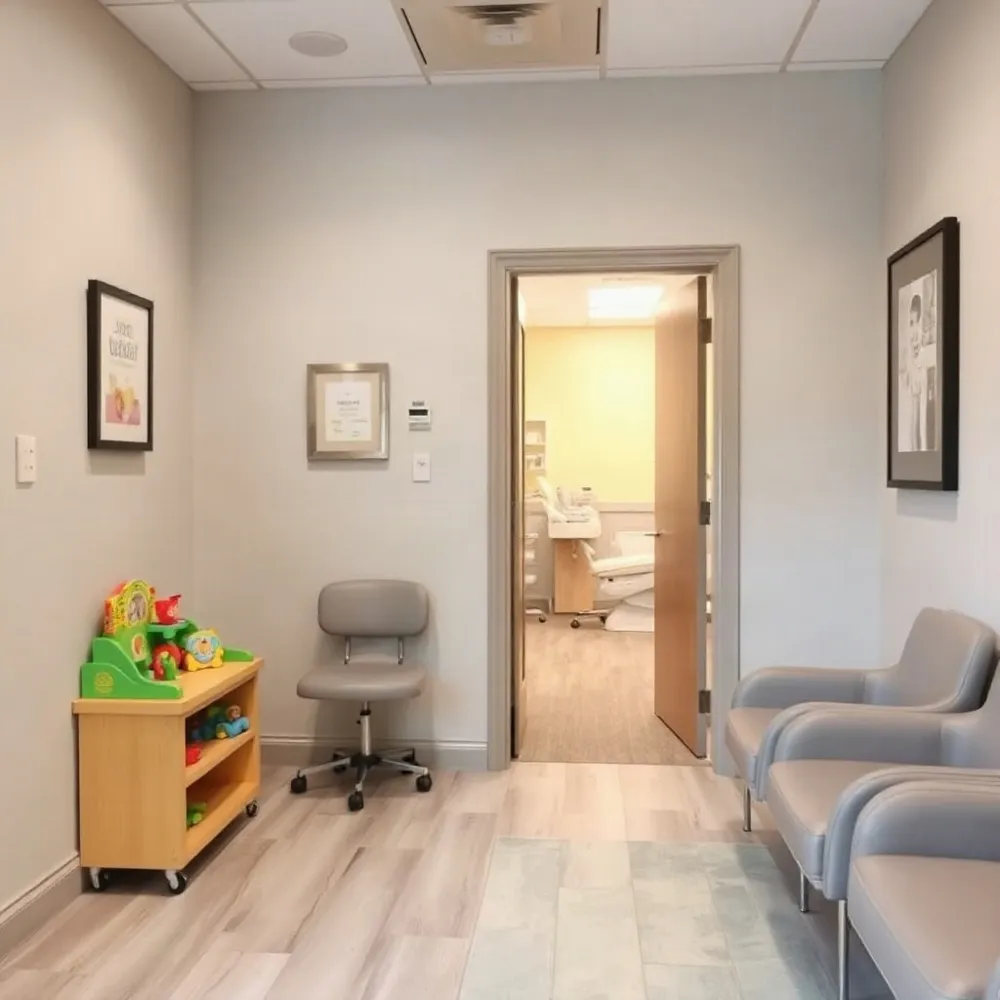
This early appointment lets a dentist check how the teeth and mouth are developing and gives caregivers a chance to ask about daily care and prevention. Stanford Children’s Health’s first-visit guidance explains the timing and purpose.
The main goal is to assess development, answer questions, and help the child become familiar with dental care.
Many children are advised to see a dentist about every six months. The schedule can vary: a dentist may suggest more frequent visits to build a child’s comfort or monitor a specific concern. Regular checkups provide a chance to watch baby teeth as they develop and adjust home-care advice to the child, rather than assuming every family needs the same plan.
Belmont Dental Associates welcomes children age three and up at its New Jersey practice. For tooth pain or another urgent concern, call a dental office rather than waiting for a routine appointment.
What a First Visit May Include
A first dental appointment is often a gentle introduction, giving a child time to become familiar with the dentist and the office. It commonly lasts about 30 to 45 minutes, though the length and activities depend on the child’s age and needs, according to Stanford Children’s Health.
The dentist may examine the teeth, jaws, bite, gums, and other oral tissues to check growth and look for concerns. If appropriate, the appointment may also include a gentle cleaning to polish the teeth and remove plaque, tartar, or stains. The team can adjust the pace to help a child feel at ease. Wiggling or fussing during an unfamiliar visit is not unusual.
Parents can ask for demonstrations of brushing and flossing, and discuss fluoride, feeding, teething, pacifiers, or finger-sucking. X-rays are not routinely needed for every young child; a dentist may recommend them when they can help diagnose decay or assess a specific tooth concern. A calm, age-appropriate approach can help families feel more comfortable.
For New Jersey families, sharing your child’s health history and any concerns about anxiety or cooperation helps the dental team tailor the visit. Belmont Dental Associates also offers sedation options for patients who need additional support, though the right approach depends on the child and the care planned.
When a First Cleaning Makes Sense
A child’s first dental visit and first professional cleaning do not have to happen at the same time. The early visit can focus on checking development and helping a child get used to the dental office; a cleaning may be added when it suits the child’s needs.
A first cleaning often takes place after most primary teeth have come in, commonly between 12 and 36 months, but that range is guidance, not a deadline. The dentist can consider the child’s teeth, oral health, and comfort before recommending a cleaning. The American Dental Association’s guidance for a baby’s first visit also distinguishes an early checkup from what may happen during it.
Can a 2-year-old have a dental cleaning?
Yes. A two-year-old can have a checkup and may receive a gentle cleaning if the dentist considers it appropriate. A cleaning can remove plaque from tooth surfaces and reach areas along the gumline or between teeth that brushing may miss. It complements daily brushing and other home care, rather than replacing them.
The visit should be adapted to the child’s age and comfort, and the dentist can explain what is suitable. In Haledon, Caldwell, and nearby New Jersey communities, Belmont Dental Associates welcomes children age three and up, so it does not offer care for two-year-olds. Belmont also provides a kid-friendly setting for children within its age range.
Simple Home Care Between Visits
A steady home routine helps protect little teeth between checkups. Before teeth appear, wipe your baby’s gums with a clean, damp cloth. When the first tooth comes in, begin brushing with a small, soft-bristled toothbrush and fluoride toothpaste.
What toothpaste should young children use?
Use a rice-grain-sized smear of fluoride toothpaste from the first tooth until age three, then switch to a pea-sized amount. Help your child brush or supervise closely, and encourage them to spit out excess toothpaste rather than swallow it. Keep the tube out of reach. The Stanford Children’s Health guidance on young children’s dental care offers these general amounts, but your dentist can confirm what is right for your child.
Helping Children Feel at Ease
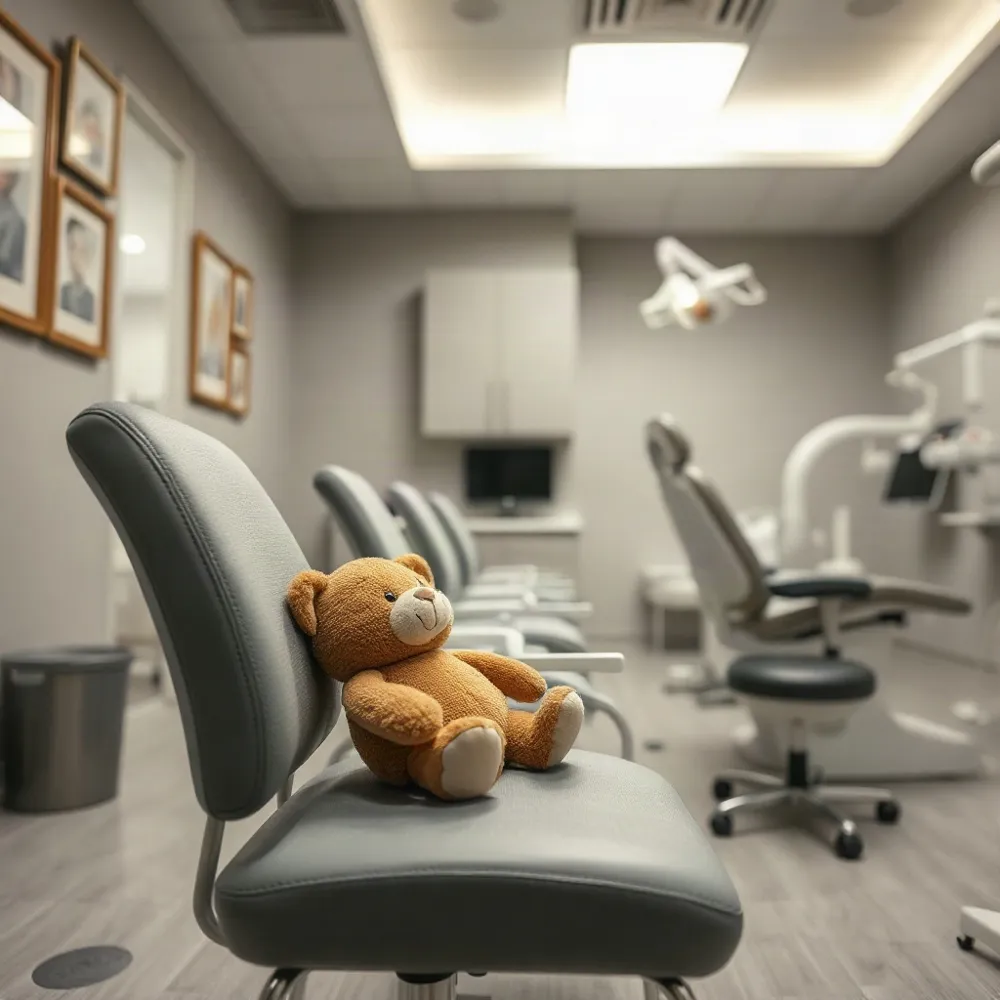
Tell your child in simple, upbeat words that the dentist will look at or count their teeth and help keep them healthy. You can practice opening wide together or pretend to check a stuffed animal’s teeth at home.
A familiar toy may offer comfort if the office allows it. For young children, a morning appointment can also be a good choice because they may be more alert and rested. These preparation ideas are consistent with guidance from Stanford Children’s Health.
Before the appointment, mention any worries, sensitivities, or routines that help your child feel settled. Stay calm when talking about the visit, since children may notice a caregiver’s anxiety. It is also fine to ask how the team introduces the exam and responds when a child feels unsure.
Children differ in how comfortable they feel around unfamiliar people or being apart from a parent, so there is no single response to expect. Sharing what works for your child can help the team understand their needs without assuming every child will want the same support.
Discussing Sedation With the Care Team
Parents asking, “Is dental sedation or anesthesia safe for a 2-year-old?” should know there is no one-size-fits-all answer. Sedation may be considered, but it is not automatically appropriate for every child, and suitability depends on the child’s health and the planned care.
Before deciding, discuss your child’s medical history, the procedure, possible benefits and risks, and alternatives with the dentist and anesthesia provider. Ask who would administer and monitor sedation, what qualifications they have, and what emergency preparations are available.
Follow the care team’s specific instructions before the appointment, including any directions about food and drink. These details depend on the planned approach, so contact the office if anything is unclear rather than relying on general advice.
Belmont Dental Associates offers sedation options as part of its care, but families should speak directly with the office about a child’s age, health, and circumstances. For children younger than the practice’s stated age range of three and up, confirm whether care is available and what options may be appropriate.
Planning for Costs and Coverage
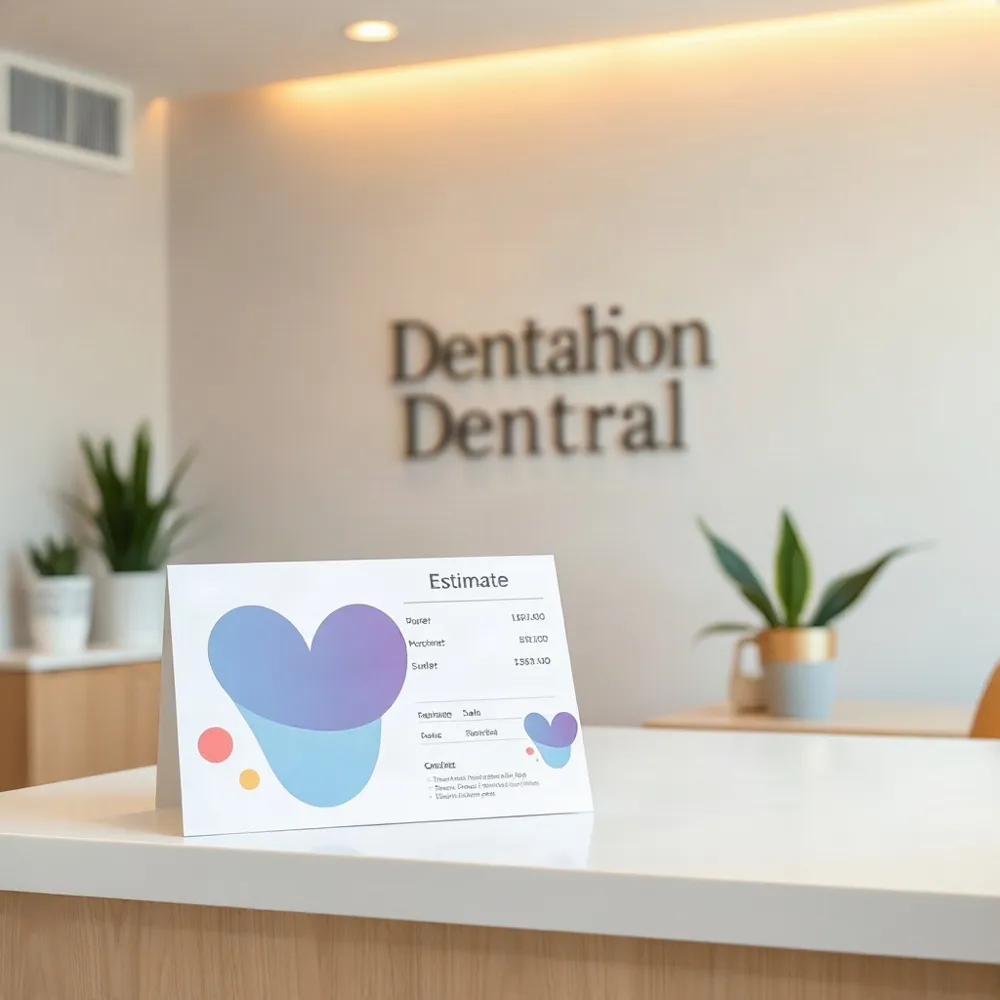
How much does a baby’s first dental appointment cost? There is no single price that applies to every family. The total can vary by office and by what the visit includes, such as an examination, cleaning, or other care. Asking about cost before booking is reasonable, and Stanford Children’s Health recommends discussing payment options with the dentist.
Call the office to ask what the appointment may involve and request an estimate. If you have dental insurance, check whether the practice is in your plan’s network and how your benefits apply to the services being considered. Coverage can differ by plan, so confirming details with both the dental office and insurer can help you plan for any out-of-pocket cost.
Make the Next Step Manageable
Early dental visits, age-appropriate brushing at home, and a checkup schedule shaped around your child’s needs give families a practical foundation for oral health. The American Dental Association’s first-visit guidance can help parents understand when to begin, while a dentist can tailor advice to a child’s development.
For New Jersey families, Belmont Dental Associates welcomes children age three and up in a kid-friendly setting. Sharing your child’s age, health history, and any worries can help the team guide the conversation.
A first visit may bring questions or nerves, and it may not go exactly as planned. A calm conversation with the dental team can help you choose an approach that fits your child and your family.