Start With a Clear Next Step
Tooth pain or a dental injury can unsettle the whole family, especially when you are trying to decide what to do next. If you are in Haledon, Caldwell, or nearby New Jersey communities, call a dentist promptly and explain what happened, how severe the pain is, and whether you have swelling or bleeding. Home care may offer temporary comfort, but it cannot identify or treat the cause. Mayo Clinic’s toothache first-aid guidance also stresses that self-care is not a substitute for dental treatment.
At Belmont Dental Associates, same-day emergency appointments can help families get timely dental guidance, while sedation options may be discussed for patients who feel anxious about treatment. This section explains how to spot warning signs, take sensible steps while waiting, and recognize when symptoms call for emergency medical care. For serious facial injuries or bleeding that will not stop, Cleveland Clinic’s emergency dental guidance recommends seeking urgent care.
Recognize a Dental Emergency
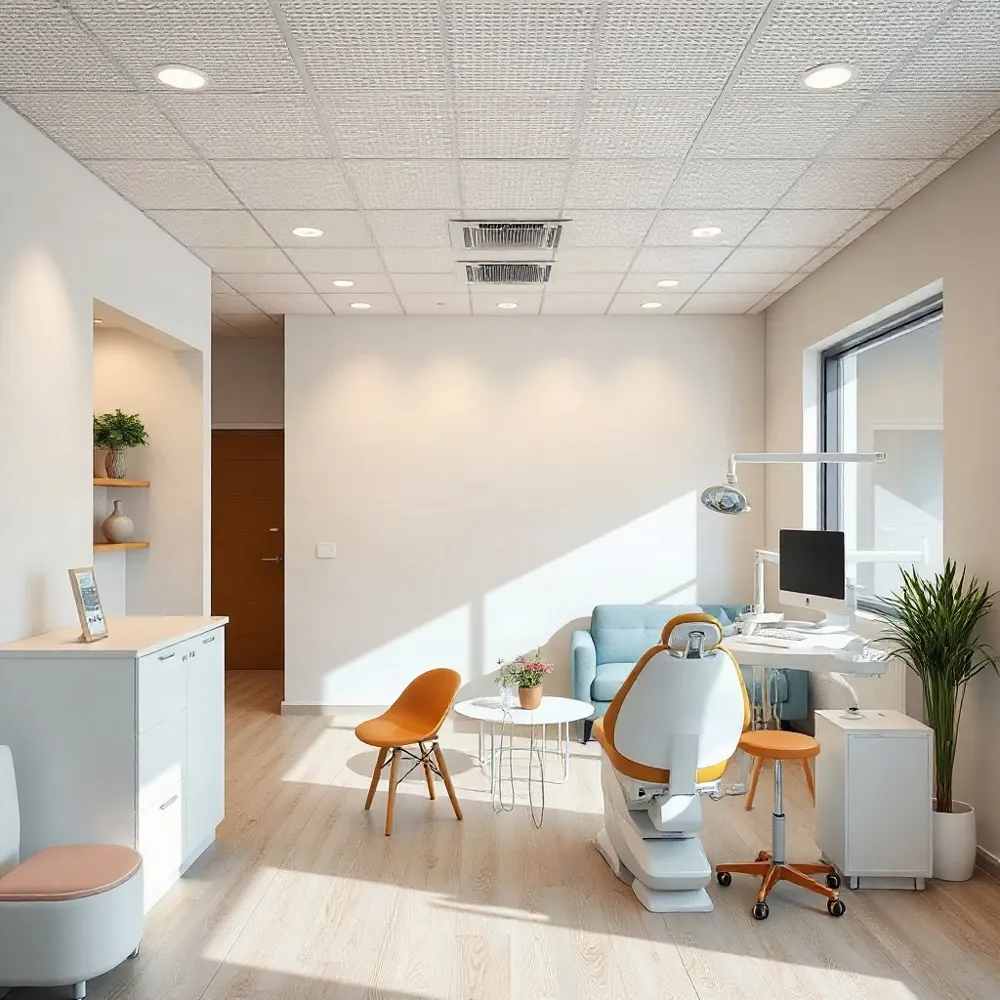
A dental emergency is a problem that needs prompt attention to relieve severe pain, control bleeding, address infection, or protect a damaged tooth. If you are unsure how urgent a problem is, call us at Belmont Dental and describe what happened and what symptoms you notice. Cleveland Clinic’s dental emergency guidance recommends contacting a dentist for direction, since many urgent dental problems can be treated in a dental office, and we’re here to help you with same-day appointments, sedation options, and insurance-free plans.
Examples include a knocked-out, badly cracked, or partly dislodged tooth; a painful lost filling or crown; swelling or a possible abscess; and bleeding that will not stop. Fever alongside tooth pain or swelling also needs prompt assessment. Belmont Dental offers same-day emergency appointments when available, so you can call to ask about an urgent visit and next steps.
Some problems may be able to wait for a regular-hours appointment if symptoms stay mild, such as a dull toothache, a small painless chip, broken braces without bleeding, or food caught between teeth. Severe pain or ongoing bleeding changes the urgency. Do not probe between teeth with sharp objects, and contact us if the problem worsens.
Go to an emergency room for a serious facial injury or if swelling makes it difficult to breathe or swallow. For other concerns, a call to our office can help clarify where to seek care. We also have on-site 3-D imaging to support diagnosis once you are evaluated.
Ease Tooth Pain Safely While Waiting

What can you do to ease a toothache while waiting to see a dentist? Call to arrange an appointment first. Home care may make you more comfortable, but it cannot identify or treat the cause of the pain. Belmont Dental Associates offers same-day emergency appointments, so New Jersey families can ask the team about getting assessed promptly.
While you wait, rinse gently with warm water and brush and floss carefully to clear food caught between teeth. Do not force floss into a sore spot or use sharp tools. A cold compress held against the outside of your cheek may help if pain followed an injury or the area is swollen. Mayo Clinic’s toothache first-aid guidance also recommends gentle rinsing and flossing as temporary measures.
Choose soft foods and chew on the opposite side. Very hot, cold, sweet, or acidic foods and drinks may aggravate sensitivity, so avoid anything that seems to trigger your pain. These steps can help limit irritation until a dentist can examine the tooth.
Ask a dentist or pharmacist which over-the-counter pain reliever is appropriate for you, and follow the product directions. Never place aspirin or another pain medicine directly on a tooth or gum tissue, since it can burn the tissue. Belmont Dental Associates can also discuss sedation options if anxiety is making it harder to seek care.
Contact a dentist promptly if pain is severe or worsening, or if you notice swelling, fever, red gums, or a bad taste that could signal infection. Mayo Clinic advises prompt medical or dental attention for toothache with infection signs. Trouble breathing or swallowing calls for emergency medical care, not home treatment.
Know When Symptoms Need the Emergency Room
When should I go to the emergency room for tooth pain or a suspected infection?
Go to the emergency room now, or call 911 if needed, if tooth pain or swelling makes it hard to breathe or swallow. Rapidly spreading swelling in the face, jaw, neck, or around the eye is also a serious warning sign. Seek emergency medical care for a severe facial injury, or if fever comes with confusion, vision changes, or feeling very ill. The NHS emergency guidance for toothache also advises immediate care when swelling affects breathing, swallowing, or speaking.
Without those immediate danger signs, intense or worsening pain, facial swelling, fever, chills, or a suspected abscess still calls for urgent dental advice. An abscess may look like a pimple on the gum, but it should not be ignored or assumed to be gone if it drains or the pain eases. Infection may remain and require treatment. Cleveland Clinic guidance on dental emergencies recommends prompt dental care for an abscess.
An ER can assess serious medical symptoms and may help manage pain or swelling, but it generally cannot provide restorative dental work such as a filling or crown. Dental follow-up remains necessary. For New Jersey families with urgent but non-life-threatening symptoms, Belmont Dental Associates offers same-day emergency appointments, sedation options for comfort, and insurance-free plans for affordable care. Call promptly, describe the symptoms, and ask what to do next. The practice’s guidance on contacting a family dentist can help you prepare for that call.
Handle Injuries and After-Hours Problems
If a dental injury happens at night or on the weekend, don’t worry, Belmont Dental Associates is here for New Jersey families like yours. Call our office and listen for voicemail instructions about urgent care. If you still cannot reach us, contact an urgent dental provider for guidance. Go to the emergency room or call 911 for trouble breathing or swallowing, rapidly spreading facial swelling, bleeding that will not stop, or a serious facial injury. Many dental injuries can be treated by a dentist, while serious facial injuries need emergency medical care. Belmont Dental offers same-day emergency appointments when available, and we can discuss sedation options to keep you comfortable during treatment.
For a knocked-out permanent tooth, pick it up by the crown, gently rinse away dirt without scrubbing the root or removing attached tissue, and place it back in its socket only if it goes in easily and safely. Otherwise, keep it in milk and seek dental care as quickly as possible. The best chance of saving the tooth is when it is returned to its socket within an hour. Belmont Dental Associates offers same-day emergency appointments when available, and our team can help with sedation if needed. After-hours availability may vary, so contact us as soon as you can.
If a tooth is badly cracked, save and rinse any pieces, rinse your mouth with warm water, and use clean gauze to apply pressure if there is bleeding. A cold compress against the outside of the cheek may help with swelling while you arrange care. For a cut to the tongue, cheek, gum, or lip, rinse gently with mild salt water and hold moistened gauze firmly against the area. Bleeding that does not stop needs immediate dental or hospital care. Belmont Dental can provide same-day care for many of these injuries, and we offer sedation options to make treatment more comfortable.
A lost filling or broken crown or bridge should be checked promptly. Bring the restoration if you still have it, and do not use super glue. Temporary covering products may help protect an exposed area, but follow the product instructions or a dental professional’s advice. While waiting, use a cold compress for swelling and take an over-the-counter pain reliever only as directed. Never place aspirin directly on a tooth or gum tissue, since it can injure the tissue. Belmont Dental offers affordable, insurance-free plans for patients without dental coverage, so you can get the care you need without breaking the bank.
Arrange Care Even If Pain Improves
If you are a New Jersey resident looking for reliable, affordable dental care, how soon should you see a dentist for tooth pain? Contact a dentist as soon as you can if the pain is severe, persistent, worsening, or making it hard to eat or sleep. The Mayo Clinic toothache guidance also advises prompt medical or dental advice when pain comes with fever or signs of possible infection.
Facial or jaw swelling, pus, a bad taste, or difficulty opening your mouth are reasons to seek urgent dental advice. Trouble breathing or swallowing needs immediate medical attention. Pain that eases does not always mean the problem has gone away: toothache can have different causes, and a dentist needs to assess whether treatment is needed.
Belmont Dental Associates offers same-day emergency appointments and insurance-free plans for affordable care in Haledon and Caldwell when available, so families can ask the team about timely care. Patients who feel anxious about treatment can also ask about sedation options when arranging a visit.
Ask About Costs Before Treatment
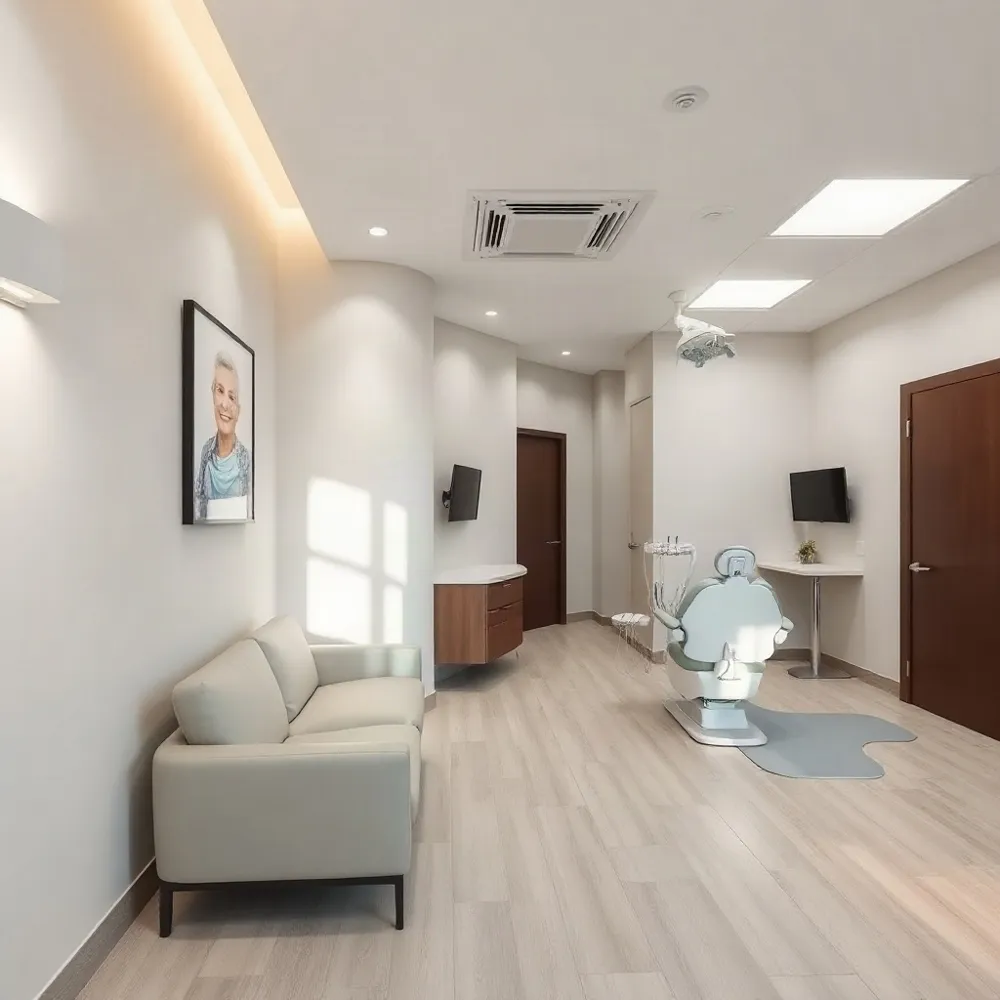
How can you manage the cost of a dental emergency without insurance? Call a New Jersey dental office, explain your situation, and ask for an estimate, payment options, and which care needs attention first. Clear answers can help you make a plan without delaying a problem that needs prompt treatment.
Belmont Dental Associates offers the Belmont Dental Plan as an insurance-free option. Belmont Dental also uses on-site 3-D imaging to support diagnosis and provides sedation options to help you feel at ease during treatment. Contact the office to confirm current costs, eligibility, and what the plan covers, since details can change. If you think you or your child may qualify, check NJ Medicaid or NJ FamilyCare and ask about dental benefits; eligibility and coverage vary.
Before agreeing to treatment, ask whether the dentist can address the immediate problem first and schedule additional care for later. Request an explanation of the recommended treatment and its cost so you can understand the choices before proceeding. You can also ask about same-day treatment options and sedation services to see how they might fit your needs and budget.
Cost concerns are understandable, but do not wait if you have facial swelling, a fever, or trouble breathing or swallowing. These symptoms need urgent assessment. For emergency warning signs and guidance on where to seek care, see Cleveland Clinic’s dental emergency advice.
Make the Call and Get Guidance
When a tooth hurts or an injury happens, call a dental professional and explain what occurred, when it started, and how symptoms have changed. Follow the guidance you receive while arranging care. Rinses, cold compresses, and pain relievers may offer temporary comfort, but they do not identify or treat the cause of a toothache, as Mayo Clinic’s first-aid guidance explains.
Do not wait for a dental appointment if you have difficulty breathing or swallowing, uncontrolled bleeding, or a serious facial injury. These symptoms need emergency medical attention; Cleveland Clinic’s dental emergency guidance can help clarify where to seek care.
For New Jersey families, Belmont Dental Associates offers same-day emergency appointments when available, along with sedation options for patients who feel anxious about treatment. The office also has the insurance-free Belmont Dental Plan. Contact the practice directly to confirm appointment availability and plan details, and ask what information to bring.