Why So Many of Us Avoid the Dentist
Even with the warmest chairside manner, many New Jersey residents still find themselves postponing checkups and cleanings. The source is almost never a lack of caring; it’s usually a knot of fear, physical discomfort, or past trauma that has built up over years. According to the Cleveland Clinic, sedation dentistry uses medication to help you relax during dental procedures, and it’s a structured answer for exactly these kinds of barriers. It’s not about being “put to sleep” the way you might imagine; instead, it works on a spectrum from gentle relaxation to deeper calm, depending on what you need.
Part of the power of sedation is how it reframes the entire visit. For adults whose dental anxiety stems from needles or drills, or for parents who simply want their fidgety child to sit still, sedation removes the sharpest edges of the experience. A review in the U.S. National Library of Medicine notes that oral sedation can be safely and effectively used for adult patients, providing meaningful anxiolysis (that’s the medical term for reducing anxiety) while preserving a normal level of consciousness. You stay awake and able to respond, but the fear fades into the background.
None of this means sedation replaces good communication. In fact, it does the opposite: it makes the most important conversations easier. When dental fear keeps you from staying still, it’s hard to discuss treatment options clearly. Sedation creates a calmer space where you can actually absorb what the dentist is explaining, ask questions, and leave with a clear plan. That’s why practices like Belmont Dental Associates build sedation into a larger comfort-first approach, combining it with same-day technology like on-site CAD/CAM for single-visit crowns and 3-D imaging for precise diagnostics. The goal is to remove every obstacle, both the physical and the psychological ones, that stands between you and a healthy smile.
What Is Sedation Dentistry and How Can It Help?

When you hear “sedation dentistry,” you might picture a deep, hospital-style sleep. In reality, sedation exists on a spectrum, from gentle relaxation to deeper unconsciousness. Understanding the different types helps you and your dentist choose the safest, most comfortable option for your needs and anxiety level.
A good place to start is understanding that each level of sedation works differently. Oral Sedation: A Primer on Anxiolysis for the Adult Patient from the National Institutes of Health explains that methods range from minimal anxiolysis (a slight feeling of calm) to general anesthesia. The right choice depends on factors like the complexity of your procedure, your medical history, and your personal comfort level. For most simple checkups and cleanings, a lighter touch is all that’s needed.
Minimal and Moderate Sedation: The Conscious Options
Minimal sedation(often nitrous oxide, or “laughing gas”) keeps you fully awake and aware, but deeply relaxed. You can respond normally and converse, yet you feel little to no anxiety. Inhalation sedation is carried through a small mask on your nose and wears off quickly, letting you drive yourself home afterward.Moderate sedation(sometimes called “conscious sedation”) goes a step further. You’ll be in a state of deep relaxation where you may not remember much of the appointment, but you’ll still be able to respond to commands. This is often achieved with oral sedation pills taken about an hour before your visit. Since effects last longer and you may be drowsy, you’ll need a ride home.Scope. Nitrous oxide is ideal for simple cleanings and minor anxiety. Oral conscious sedation is better for longer procedures or more significant fear.Integration. At Belmont Dental Associates in Haledon and Caldwell, NJ, we offer same-day treatment with on-site CAD/CAM technology for permanent crowns, so you can often complete your care in a single visit.
Deep Sedation and General Anesthesia: For Extensive Care
Deep sedation and general anesthesia are reserved for the most complex cases or for patients with such severe anxiety, a strong gag reflex, or a special need that traditional treatment feels impossible. Under deep sedation, you’ll be on the edge of consciousness but can still be awakened. General anesthesia puts you in a state of fully controlled unconsciousness. Both are administered and monitored by a licensed anesthesia team, such as an anesthesiologist or certified nurse anesthetist, right in the dental office.
This level of care is frequently used for extensive procedures like full-mouth restorations, multiple extractions, or placing dental implants. It’s also a game-changer for patients who’ve avoided the dentist for years and need a lot of work done in one sitting.
| Sedation Level | What It Feels Like | Best For | Example at Belmont Dental |
|---|---|---|---|
| Minimal (Nitrous Oxide) | Fully awake, calm, relaxed | Simple fillings, cleanings | Same-day emergency checkup |
| Moderate (Oral) | Awake but hazy, low recall | Fillings, crowns, mild anxiety | Milling a permanent crown |
| Deep (IV/Injection) | On edge of sleep, minimal memory | Extensive work, severe anxiety | Full-mouth restoration |
| General Anesthesia | Unconscious, fully monitored | Complex surgery, special needs | Dental implants |
Regardless of which level you and your dentist choose, you’ll be monitored throughout your visit. At Belmont Dental Associates, our board-certified team is trained in advanced conscious sedation and works with a dedicated anesthesiology team for deeper levels, ensuring your safety and comfort are the top priority from start to finish.
Discover Your Comfort Zone: Three Types of Sedation
When you and your dentist decide sedation is the right path, knowing the difference between the main options helps you feel in control. The four most common levels are nitrous oxide (laughing gas), oral sedation, IV sedation, and general anesthesia. Each works differently, and the right choice depends on your anxiety level, the procedure’s complexity, and your comfort preferences.
Nitrous oxide. Also called laughing gas, this is the mildest form. You breathe a mix of nitrous oxide and oxygen through a small mask, and relaxation sets in within a few minutes. The effect wears off quickly after the mask is removed, so you can usually drive yourself home afterward. According to the Cleveland Clinic, the gas is inhaled through a small mask, and you may feel a light-headed tingle before a deep sense of calm. The gas is completely eliminated from your system, leaving you alert enough to drive.Oral sedation. This involves taking a pill, typically a benzodiazepine like triazolam, about an hour before your appointment. It produces a deeper relaxation than nitrous, but you remain conscious. As described in a Peer-Reviewed article on adult sedation, oral sedation is designed for moderate anxiety, and you may remember little of the procedure. Side effects like drowsiness can last for hours, so you’ll need a ride home.IV sedation. Delivered directly into your bloodstream through a vein, IV sedation works quickly and allows easy adjustments for deeper relaxation. You remain conscious but feel deeply calm, and you typically have little to no memory of the procedure. It’s a strong option for longer or more invasive work, and it often pairs well with local anesthesia for complete comfort.
For many patients at Belmont Dental Associates, nitrous oxide and oral sedation cover most needs. They’re ideal for routine cleanings, fillings, or the mildly anxious adult. IV sedation steps in for more complex procedures or for those with severe anxiety. General anesthesia is rarely needed in a general dental office and is typically reserved for hospital-based care.
Which One Is Right for You?
Your dentist will recommend a level after a thorough exam and a conversation about your anxiety triggers and medical history. A good rule of thumb: if a cleaning alone makes your hands shake, oral sedation or nitrous may be enough. If a root canal or lengthy crown work feels impossible, IV sedation could be a better fit. The goal at Belmont Dental Associates is to match the least invasive option that makes you comfortable, and their sedation approach includes all the major choices.
All sedation dentistry at Belmont Dental Associates is administered with the same-day technology and safety protocols as the practice’s other services. You’ll receive detailed pre-op instructions, and the team checks your vital signs throughout. For patients with dental anxiety, these options offer a gentle way to proceed, as detailed in Belmont’s guide to easing dental anxiety.
One of the biggest fears about sedation is losing control. But at Belmont Dental Associates, you’re never fully unconscious unless you choose general anesthesia, and even then, it’s a controlled, monitored process. The dentist and staff explain each step, and you can ask questions beforehand. Knowing you have options often makes the decision easier, and the practice’s transparent pricing means no surprise costs.
What to Expect From Each Sedation Level
- Nitrous oxide: You stay fully aware and can speak. Effects fade in minutes, and you can typically drive after a short observation period.
- Oral sedation: You’re awake but drowsy. Amnesia is common, and you’ll need a ride home. Effects can last several hours.
- IV sedation: You’re conscious but deeply relaxed. Medication is adjusted continuously. You’ll need a ride home, and you may not remember the procedure.
- General anesthesia: You’re completely unconscious and not responsive. This is rare in a dental office and used mainly for complex surgeries. It requires full monitoring and often a hospital setting.
Each level carries its own benefits and considerations. For example, nitrous oxide is a good starting point because it’s easy to control and clears your system quickly. If you have significant anxiety, oral sedation offers a deeper calm without the needle. IV sedation is the workhorse for longer procedures. The Cleveland Clinic’s overview notes that the level you need depends on the procedure and your medical history.
Safety and Monitoring at Belmont Dental Associates
Regardless of the level you choose, safety is the first priority at Belmont Dental Associates. Before any sedation, the team reviews your full medical history, including any medications, allergies, and conditions like sleep apnea. During the procedure, your vital signs are continuously monitored, and emergency protocols are in place. The practice uses the same rigorous standards whether you’re having a routine filling or a more involved restoration.
For patients who’ve avoided the dentist for years because of fear, sedation offers a path back to regular care. According to Harvard Health Publishing, dental anxiety affects a significant portion of adults, often causing them to delay necessary treatment. At Belmont Dental Associates, the goal isn’t just to numb teeth; it’s to help you feel comfortable enough to take care of your smile. And with same-day appointments and sedation options, you don’t have to wait weeks for relief.
If you’re unsure which sedation level fits your needs, the team at Belmont Dental Associates is happy to walk you through the options. They serve families in Haledon, Caldwell, and the surrounding New Jersey communities, and they accept most insurance plans while also offering the in-house Belmont Dental Plan for those without coverage. Walk-ins for same-day emergency care are available, and sedation is part of that commitment to accessibility. For more details on how sedation works and what to expect, reach out to the office or visit the sedation resource page.
Which Sedative Is Right for You? We’ll Help You Decide
Choosing the right sedation method depends on your anxiety level, the procedure you need, and how quickly you want to recover. For mild nervousness, nitrous oxide often works well. For moderate to severe fear, oral sedation or IV sedation may be a better fit. A thorough evaluation with your dentist helps match the right option to your needs.
Anxiety level. Occasional butterflies may respond to nitrous oxide, while panic-level fear often calls for deeper sedation to keep you comfortable.Procedure length. Short visits work fine with mild sedation, but longer treatments benefit from deeper options that keep you relaxed throughout.Recovery time. Nitrous oxide fades quickly; oral and IV sedation require a ride home and more rest afterward.
At Belmont Dental Associates, we offer several sedation levels and will recommend one based on your history, the treatment plan, and your comfort goals. Our team walks you through each option so you know what to expect before you begin.
Making Your Appointment Comfortable
Once you choose a sedation method, the visit itself becomes easier. Many patients feel calmer just knowing they have a plan. We encourage you to ask questions ahead of time, share any past dental concerns, and let us know about your health history so we can tailor the approach.
For same-day needs, we offer emergency slots and can often provide sedation to help you through urgent care. If you have dental anxiety, our goal is to reduce stress, not add to it. Book a visit to discuss which sedation option works best for you.
Oral Sedation vs. IV Sedation: A Simple Breakdown
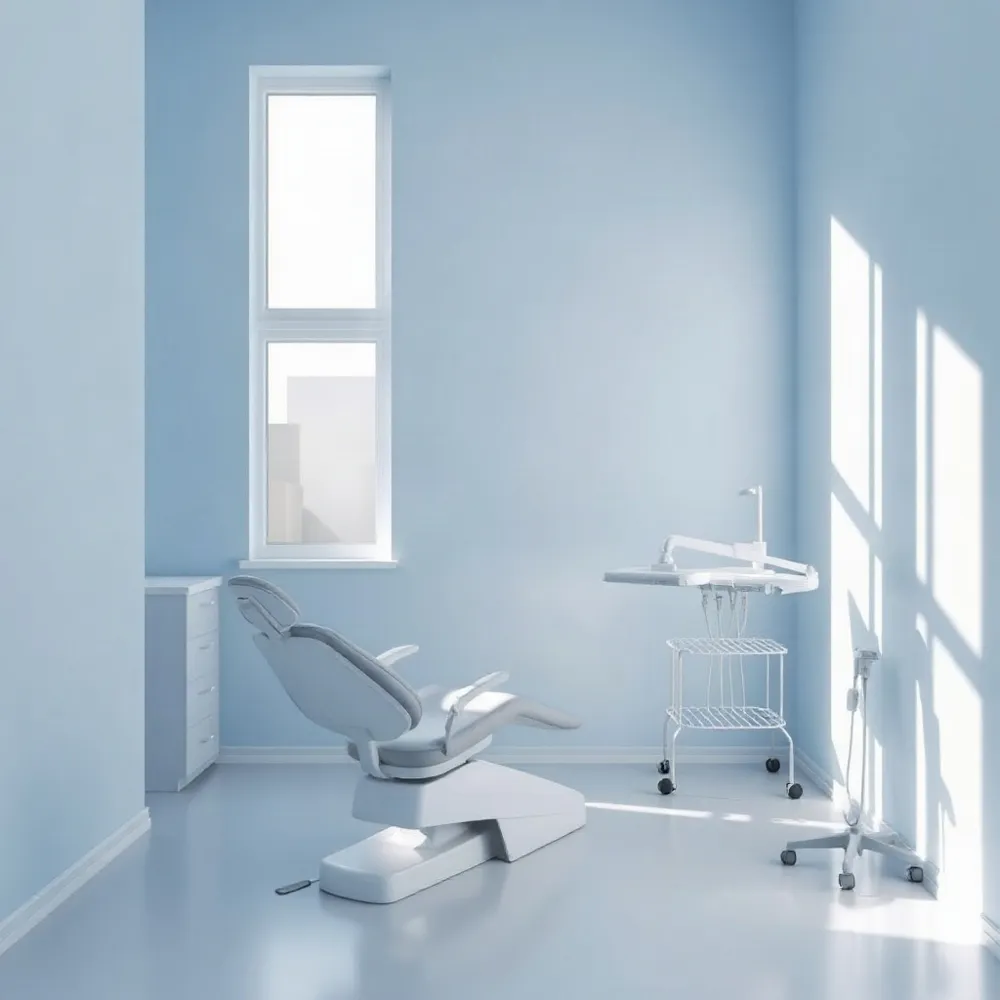
Sedation dentistry spans a range of depths and methods, and the right choice depends on your anxiety level, the procedure’s complexity, and your overall health. Belmont Dental Associates offers several sedation options so you can receive the care you need while staying relaxed and comfortable. Understanding each level helps you and your dentist choose what fits your specific situation.
Minimal sedation. You remain fully awake and responsive, but feel pleasantly relaxed. Often delivered through inhaled nitrous oxide, also known as laughing gas, this level works well for simple cleanings or mildly anxious patients. According to the Cleveland Clinic, this approach helps you stay calm while remaining aware enough to follow instructions.Moderate sedation. Also called conscious sedation, this level leaves you drowsy and less aware of what is happening, though you can still respond to gentle prompts from the dental team. Oral sedation pills, taken about an hour before your appointment, are a common way to reach this state. Many patients describe feeling as though they have had a good night’s rest.Deep sedation. At this level, you drift into a sleep-like state while still breathing on your own. Intravenous (IV) sedation delivers medication directly into your bloodstream, allowing the dentist to adjust the dose in real time. This is ideal for lengthy procedures or for patients with severe dental anxiety, as described in the National Library of Medicine‘s overview of oral and IV sedation.
At Belmont Dental Associates, the focus is on matching the sedation level to your needs rather than offering a one-size-fits-all approach. For routine visits, minimal sedation may be enough to ease jitters. For longer restorative work or for those with significant fear, moderate or deep sedation can transform the experience, turning what might be a stressful appointment into a relaxed and comfortable one.
The Medications Behind Your Calm Smile
Definition. Sedation dentistry uses medication to help patients relax during dental visits. It is often called sleep dentistry, though most people remain awake and responsive. The level of sedation ranges from mild relaxation to deep sleep-like states, depending on the method chosen.Levels. The four main levels are minimal (awake, relaxed), moderate (drowsy, may slur words), deep (sleepier, harder to arouse), and general anesthesia (completely unconscious). Your dentist selects the level based on your anxiety, treatment complexity, and health history.
At Belmont Dental Associates, we offer several sedation options tailored to your needs, whether you’re a first-time patient or someone who has avoided the dentist for years. If you have questions about which level is right for you, we’ll walk you through the choices during a relaxed consultation.
Common Sedation Methods
- Nitrous oxide (laughing gas): inhaled through a mask, wears off quickly, lets you drive home afterward.
- Oral sedation: a pill taken before the appointment; you stay awake but feel deeply relaxed.
- IV sedation: delivered through a vein for faster, more controlled effects; often used for longer procedures.
- Deep sedation or general anesthesia: reserved for complex care or severe anxiety; you may sleep through treatment.
Each method serves a different purpose. For example, nitrous oxide works well for mild anxiety, while oral sedation suits moderate cases. A 2023 guide from Cleveland Clinic explains that these approaches help patients feel calmer and more comfortable during visits.
If you’re curious how sedation compares with traditional care, think about your last cleaning. For someone with dental anxiety, even a simple exam can feel overwhelming. Sedation changes that experience entirely, making it easier to relax and let the dentist do the work. That’s why many patients at Belmont Dental Associates find they can finally keep up with regular checkups.
| Method | How It’s Taken | Best For |
|---|---|---|
| Nitrous oxide | Inhaled gas, wears off fast | Mild anxiety, short visits |
| Oral sedation | Pill before appointment | Moderate anxiety, longer visits |
| IV sedation | Intravenous line | Severe anxiety, complex care |
| General anesthesia | Hospital or special setup | Major procedures, full sleep |
From Embarrassment to Ease: You’re Not Alone
For a lot of people, skipping the dentist is less about the treatment itself and more about the dread that comes before the appointment. That knot in your stomach can come from a specific sound, a memory of a rough visit years ago, or simply the fear of the unknown. When you search for why adults stay away, you often find that anxiety and embarrassment are bigger drivers than cost or time.
Scope. Sedation dentistry covers a range of options from mild anti-anxiety pills to deeper IV sedation, so there is usually a level that fits your comfort zone. At Belmont Dental Associates in Haledon and Caldwell, NJ, the approach centers on picking the right amount of calm for you. We do not rely on one-size-fits-all dosing. Instead, we assess your anxiety level, your health history, and the complexity of the procedure to tailor sedation that matches. It is the difference between dreading the trip and walking in feeling clear-headed and relaxed.Integration. One of the biggest advantages of modern sedation is that it works with your body, not against it. Research from the Cleveland Clinic explains that sedation dentistry uses medication to help you relax during dental procedures, and the effects can range from fully awake to general anesthesia. At Belmont Dental Associates, we pair that science with in-house technology like 3D imaging and an on-site CAD/CAM system that mills permanent ceramic crowns in a single visit. That means you spend less time in the chair and more time getting back to your day, especially when anxiety is making the chair feel intimidating.Intelligence. Smart sedation is about more than just feeling sleepy. It requires understanding how each patient processes medication and how to monitor vital signs safely. Our team stays current on the latest protocols for nitrous oxide, oral sedation, and IV options, and we use that knowledge to adjust in real time. If you are someone who has avoided the dentist for years because of anxiety, this level of attention can be the difference between finally getting the care you need and putting it off again. We also make the experience easier by offering same-day emergency slots and a transparent, insurance-free payment plan so cost worries do not stand between you and calm.
The truth is that once the stigma fades, you realize that sedation is not about being asleep or numb. It is about removing the fear that keeps you from preventive care. That shift can translate into fewer emergencies, less invasive treatments, and a healthier smile overall. When you are relaxed, you are also more likely to book that routine cleaning and catch small issues before they become big ones.
| Aspect | Traditional Visit | With Sedation at Belmont Dental |
|---|---|---|
| Anxiety level | High, often overwhelming | Reduced significantly, calm visit |
| Time in chair | Long for complex work | Perceived as quicker, same-day crowns |
| Pain memory | Often recalled negatively | Comfortable, less memorable |
| Follow-up care | Often delayed | More willing to return regularly |
Insurance and Payment: Making It Affordable
Sedation dentistry comes in several forms, and the right option depends on your level of anxiety, the procedure you need, and your overall health. The lightest level, nitrous oxide (often called laughing gas), keeps you awake and relaxed while you breathe through a small mask. For moderate anxiety, oral sedation in pill form can make you drowsy while still allowing you to respond to your dentist. For more complex work, intravenous (IV) sedation or deep sedation may be used. The American Dental Association and the American Academy of Pediatric Dentistry recommend that dental teams carefully match the sedation level to each patient’s needs.
What to Expect from Start to Finish
A typical sedation appointment at Belmont Dental Associates begins with a thorough assessment. Your dentist reviews your medical history, checks your blood pressure and heart rate, and discusses any medications you take. This step ensures the sedation plan is safe and effective for you. Once the plan is set, you receive the sedative, either as a pill about an hour before the procedure or as nitrous oxide at the start. You remain awake the entire time, but you feel deeply relaxed and less aware of the sights, sounds, and sensations of dental treatment.
Longer or more complex procedures, such as placing implants or preparing multiple fillings, often benefit from deeper sedation. The benefits of deep sedation in dental care include a higher tolerance for long periods of work, a reduced gag reflex, and a calmer experience overall. Your dental team continuously monitors your oxygen levels and vital signs throughout the appointment, so you stay safe from the first injection to the final restoration.
The Role of Technology in a Faster, Gentler Visit
Modern dental offices pair sedation with advanced technology to make visits even quicker and more comfortable. At Belmont Dental Associates, on-site CAD/CAM systems mill permanent ceramic crowns in a single visit, so you avoid a second appointment and the hassle of temporary restorations. 3-D imaging gives your dentist precise, minute-level detail for diagnostics and treatment planning, which is especially useful when placing implants or performing root canals. Combined with sedation, these tools turn what might have been a stressful, multi-step ordeal into a straightforward, relaxing experience.
If you’ve been putting off dental care because of anxiety, you’re not alone. Sedation dentistry options for anxiety can help you finally get the care you need without the fear. For many patients, just knowing that sedation is an option makes the decision to pick up the phone easier.
Your Next Step Toward a Calmer Smile
Bringing children and aging parents together to the same practice is part of what makes Belmont Dental Associates, led by Dr. Dominick A. Lembo, DMD, feel like a natural fit for New Jersey families. The office treats everyone from age three on up, so a single Saturday visit can cover a child’s first checkup, a parent’s same-day crown, and a grandparent’s gentle cleaning. That convenience, paired with a warm, kid-friendly environment, takes the stress out of coordinating care across multiple offices.
One Visit, Less Waiting, Fewer Return Trips
The practice’s on-site CAD/CAM system mills permanent ceramic crowns right in the office, which means most restorative work finishes in a single appointment instead of stretching across two or three visits. For working parents and busy families in Haledon, Caldwell, and nearby communities, that translates into fewer school absences, less time off work, and less back-and-forth travel. Sedation dentistry further smooths the experience for anyone who feels nervous, so a longer procedure can feel much shorter and calmer.
- Same-day crowns eliminate the need for temporary restorations and second appointments.
- Three-dimensional imaging supports precise diagnostics and faster treatment planning.
- Laser dentistry reduces discomfort and speeds healing for many common procedures.
This same-day, technology-first approach is part of why Belmont Dental Associates stands apart from busy corporate dental chains, which often require multiple visits for what this practice handles in one. When time matters, especially for a family emergency, the in-house team reserves same-day slots to address urgent issues quickly rather than leaving you waiting in pain.
Gentle Options for Every Age and Anxiety Level
Not every patient needs deep sedation, and that’s fine. For children or adults with mild unease, nitrous oxide, sometimes called laughing gas, offers a light, relaxing effect that wears off quickly. Patients with stronger dental anxiety can choose oral sedation or deeper IV options, all explained clearly by Dr. Lembo before any treatment begins. This spectrum means a nervous child and an anxious grandparent can both find a comfortable level of care in the same chair.
Unlike a one-size-fits-all sedation clinic, Belmont Dental Associates pairs these options with the practice’s own in-house discount plan for patients without insurance. That combination of flexible sedation choices and transparent, affordable pricing helps families avoid the surprise bills that often come with out-of-network dental care, making it easier to prioritize oral health without financial worry.
A Simple, Transparent Path to Care
Between the Belmont Dental Plan, same-day emergency slots, and sedation services that ease even the most hesitant patient, the practice removes the usual obstacles to dental care. You do not need to navigate insurance paperwork alone, and you will never be left wondering about costs. That straightforward, family-focused approach is why so many New Jersey residents trust Belmont Dental Associates to keep their loved one’s smiles healthy and bright.