Understanding the Cost of Dental Implants Without Insurance
Dental implants are widely considered the gold standard for replacing missing teeth, offering a permanent solution that looks, feels, and functions like natural teeth. Unlike bridges or dentures, an implant is a small titanium post surgically placed into the jawbone, where it fuses with the bone over time to create a stable foundation for a custom crown.
The challenge for many New Jersey families is the upfront cost. A single dental implant without insurance typically ranges from $3,000 to $6,000, and full-mouth restorations can climb much higher. Without coverage, paying out-of-pocket can feel overwhelming.
At Belmont Dental Associates, led by Dr. Dominick A. Lembo, DMD, we understand that a healthy smile shouldn’t be a luxury. Our family-focused practice in Haledon and Caldwell is built around compassionate care, same-day technology, sedation options, and a straightforward in-house savings plan — the Belmont Dental Plan — designed for patients without insurance.
In the sections ahead, we’ll break down what a single implant really costs, explore cheaper alternatives, and walk you through real ways to make implants affordable — from financing and dental savings plans to smart timing strategies. You’ll also learn how Belmont Dental Associates’ insurance-free plan can help you get the care you need without surprise bills.
What a Single Dental Implant Really Costs
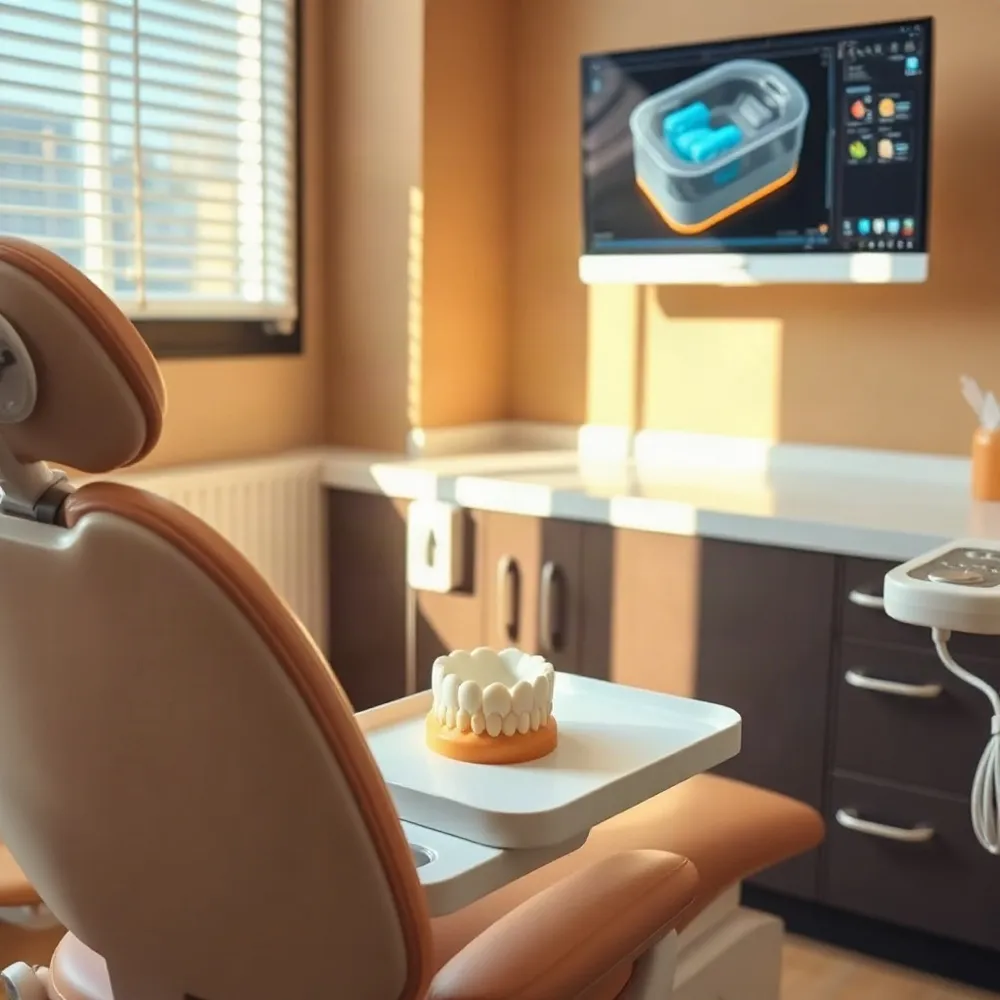
If you are considering a dental implant to replace a missing tooth, the first question is usually about price. Without insurance, a single implant typically costs between $3,000 and $6,000. That total generally covers the three main parts: the implant post (the titanium screw placed into the jawbone), the abutment (which connects the post to the crown), and the custom-made crown itself.
However, the final cost can go higher if additional procedures are needed. A tooth extraction, bone graft, sinus lift, or sedation can each add hundreds or thousands of dollars to the total. The American Academy of Implant Dentistry notes that the base implant post alone averages around $3,000, with extra work pushing the price up significantly.
At Belmont Dental Associates, we believe you should never face surprises when it comes to cost. We provide transparent, upfront pricing before any work begins, so you know exactly what to expect. Our advanced same‑day technology allows us to complete your implant procedure efficiently, and we offer comfortable sedation options to ensure a stress‑free experience. For patients without insurance, our in-house Belmont Dental Plan makes costs predictable with no deductibles or waiting periods, helping families in New Jersey access quality implant care without the financial guesswork.
Exploring Cheaper Alternatives to Implants

If the cost of a single implant feels out of reach, there are several well-established alternatives that can restore your smile for significantly less upfront. The right choice depends on your specific situation, including which teeth are missing, the health of your surrounding teeth, and your long-term goals.
A dental bridge is a fixed, non-surgical option that fills a gap by anchoring a false tooth to crowns placed on the adjacent healthy teeth. A standard three-unit bridge typically costs between $2,000 and $6,000, making it a lower-cost alternative to an implant. For a single front tooth, a resin-bonded (or Maryland) bridge offers a conservative design that attaches to the back of neighboring teeth with a metal or porcelain wing, preserving more of your natural tooth structure.
Full or partial dentures are the least expensive removable option, with partial dentures starting around $500 to $2,500. They can replace multiple missing teeth at once and require no surgery. Visit the American Dental Association’s MouthHealthy site to explore other ways to find low-cost care in your area.
A properly placed dental implant can last 20 years or more, while a bridge typically lasts 10 to 15 years and dentures may need replacement every 5 to 10 years. Over three decades, those replacement costs can add up. At Belmont Dental Associates, Dr. Lembo and the team are happy to walk you through each option—bridge, partial denture, Maryland bridge, or implant—so your family can choose a solution that fits both your smile and your budget.
Why Implants Are Worth the Investment
For many New Jersey families, the upfront cost of a dental implant can feel significant. But when you look at the full picture — how long they last, how they protect your mouth, and how they feel compared to the alternatives — the value becomes clear.
Unlike bridges or dentures, an implant replaces both the tooth root and the visible crown. Because the titanium post fuses with your jawbone, it stimulates bone growth and prevents the bone loss that happens when a tooth is missing. Bridges and dentures sit on top of the gum line and do not provide that stimulation, which can lead to a sunken appearance and further dental issues over time.
Implants also restore 90% to 98% of your natural chewing strength, according to dental research cited by Penn Dental Medicine. That means you can eat the foods you enjoy — apples, corn on the cob, steak — without worry. In contrast, traditional dentures restore only about 25% of chewing power, and bridges come in around 70%. The difference in everyday comfort and confidence is striking.
Built to Last Decades
A well-placed dental implant can last 20 to 30 years or longer with proper care. A typical dental bridge lasts 5 to 15 years, and dentures need replacement every 5 to 10 years. Over 30 years, the cost of replacing bridges or dentures can actually exceed the cost of a single implant — sometimes by thousands of dollars. An implant is a one-time major expense with minimal ongoing maintenance, making it a smarter financial choice in the long run.
Beyond the numbers, there is the everyday experience. Implants feel and function like natural teeth. They are fixed in place, so there is no slipping, clicking, or discomfort when you speak or laugh. No need for adhesives or special cleaning routines. Once the implant is placed and the custom crown is attached, you treat it like any other tooth.
At Belmont Dental Associates, we use our on-site CAD/CAM system to create permanent ceramic crowns in a single visit, and our 3-D imaging ensures precise placement from the start. For patients without insurance, our in-house Belmont Dental Plan provides transparent pricing on restorative procedures like implants, so you can invest in your smile without hidden costs or surprise fees.
How People Afford Implants Without Insurance
In-House Membership Plans — No Deductibles, No Waiting
Many dental practices now offer in-house membership plans that function like a gym membership for your teeth. You pay a fixed annual or monthly fee and receive discounted rates on all procedures — including implants — with no deductibles, no annual maximums, and no waiting periods. At Belmont Dental Associates, our Belmont Dental Plan gives families transparent pricing and immediate access to restorative care without the hassle of insurance approvals.
HSAs and FSAs — Pre-Tax Savings
A Health Savings Account (HSA) or Flexible Spending Account (FSA) lets you set aside pre-tax dollars for qualified medical expenses, including dental implants. Because the money isn’t taxed, you effectively save 20–35% on every dollar you spend. HSAs roll over year to year, making them ideal for multi-stage implant treatments, while FSAs typically require you to use the funds within the plan year.
Third-Party Financing — Low Monthly Payments, Quick Approval
Financing companies like CareCredit and Cherry offer healthcare-specific credit cards and payment plans that let you break the cost of implants into manageable monthly installments. Many come with promotional 0% APR periods for 12–24 months, and approvals happen in minutes with a soft credit check. For larger cases like full-arch restorations, some lenders offer repayment terms up to 60 months.
Dental School Clinics — Supervised Student Care at 40–60% Less
Dental school clinics, such as those affiliated with the American Student Dental Association, perform implant placements at significantly reduced fees — sometimes 40–60% less than private practices. The work is done by supervised students and checked by licensed faculty. The trade-off is time: appointments take longer, and availability can be limited. For families who value convenience and same-day technology, a private practice with transparent pricing may still be the better fit.
Combining Multiple Strategies to Reduce Out-of-Pocket Costs
Most patients who pay for implants without insurance use more than one method. You might put a down payment from your HSA, finance the balance with a 0% APR card, and use an in-house membership plan for the reduced procedure fees. The goal is to spread the expense in a way that works for your monthly budget. We’ll help you map out a plan that combines these options so you get the care you need without financial strain.
Paying Monthly for Implants – Yes, You Can
The upfront cost of a dental implant can feel like a roadblock, but you do not have to pay the entire bill at once. Monthly payment plans make it possible to spread the cost over several months or years, so you can start treatment without waiting to save thousands of dollars. Many New Jersey families use this approach to access the restorative care they need on a schedule that works for their budget.
Third-party lenders such as CareCredit, Cherry, and LendingClub offer healthcare credit cards and installment loans specifically designed for large dental expenses. Qualifying borrowers can often access promotional 0% APR periods of 12 to 24 months, meaning your entire monthly payment goes toward the principal as long as it’s paid off within the promotional window. For larger implant cases, extended repayment terms of 24 to 60 months are available, though standard interest rates apply after the introductory period. Many lenders provide quick online applications with soft credit checks that won’t affect your credit score.
At Belmont Dental Associates, our team works with patients to find a monthly plan that fits their individual financial picture. In addition to third-party financing, we offer our own in-house payment arrangements so you can avoid the stress of a single large payment. Your treatment can begin as soon as you and your dentist have a plan in place.
The Belmont Dental Plan — A Monthly Membership Without Insurance
For patients who do not have dental insurance, the in-house Belmont Dental Plan offers an alternative that feels more like a gym membership than a traditional insurance policy. You pay a fixed annual or monthly fee, and in return you receive discounted rates on cleanings, exams, and restorative procedures including implants. There are no deductibles, no annual maximums, and no waiting periods. That means you can schedule your implant consultation on the same day you sign up and move forward with treatment right away.
For many patients, combining the Belmont Dental Plan with a no-interest financing option makes monthly payments even more predictable. You get the benefit of membership discounts plus the convenience of spreading the remaining balance over time. Instead of putting off treatment until you can afford the full price, you can start with a small monthly commitment and work toward a lasting smile.
What Insurance (Usually) Pays and What It Doesn’t
What Your Dental Plan Typically Covers
Most dental plans cover about half of the amount they agree to pay for major procedures, but they set a yearly limit of $1,000 to $2,000. Since a single implant can cost $3,000 to $6,000, that annual limit often only covers part of the crown or abutment, not the surgical implant post itself. Plans also commonly classify implants as a “major” or “elective” service, which can mean waiting periods of 6 to 12 months before any coverage starts.
What about Medicare and Medicaid? Original Medicare does not cover dental implants in 2026, except in rare cases where the procedure is directly tied to a covered medical treatment, such as an oral exam before a heart valve replacement. Medicare Advantage plans may offer some dental benefits, but coverage varies widely. Medicaid coverage also differs by state and typically requires proof of medical necessity.
For New Jersey families tired of navigating confusing insurance policies, the Belmont Dental Plan provides a predictable alternative. Instead of deductibles, waiting periods, and surprise coverage gaps, you pay a simple monthly fee for transparent pricing on implants and other restorative procedures. And because we know a visit for major work can feel overwhelming, our same‑day technology helps shorten your time in the chair, while sedation options let you stay comfortable every step of the way. It’s coverage without the fine print.
Financing Options Even with Bad Credit
A low credit score does not have to stand between you and the dental care you need. Many practices, including Belmont Dental Associates, offer flexible payment paths that look beyond a credit score. Here are the most accessible options for New Jersey families.
In-House Payment Plans — No Credit Check Needed
Some dental offices offer in-house payment plans that let you pay directly to the practice over time, often without running a traditional credit check. At Belmont Dental Associates, we evaluate your individual financial situation rather than just a number. This approach is especially helpful for families who have faced credit challenges and want a straightforward, budget-friendly schedule. You work with our team to set up a plan that feels manageable.
Third-Party Lenders with Soft Credit Pulls
Several third-party financing companies now use a soft credit pull when you apply. A soft pull does not impact your credit score, making it a low-risk way to see if you qualify for a payment plan. Providers such as CareCredit, Sunbit, and Cherry offer promotional 0% APR periods for qualified borrowers, with repayment terms up to 60 months in some cases. Cherry, for example, advertises a 35-second application with a soft credit check and instant approval for funding up to $50,000.
HSA and FSA Funds — No Credit Check Required
Health Savings Accounts (HSAs) and Flexible Spending Accounts (FSAs) let you pay for dental implants with pre-tax dollars. These funds are available to you regardless of your credit history. If your employer offers an HSA, unused money rolls over year to year, making it a smart way to save for large procedures like implants. FSAs are employer-sponsored and typically operate on a use-it-or-lose-it basis within the plan year.
Co-Signers Can Help You Qualify
Many third-party lenders accept co-signers, which can improve your chances of approval or unlock better interest rates. A family member or trusted friend with stronger credit can co-sign your financing agreement, potentially opening the door to 0% APR promotional terms or lower monthly payments.
Belmont Dental’s Commitment to Working with Each Family
At Belmont Dental Associates, we believe that every New Jersey family deserves access to quality restorative care. Our team takes the time to understand your budget and explore every available option, including our in-house Belmont Dental Plan and guidance on financing programs that fit your situation. You do not need perfect credit to get the smile you deserve.
What About Full Mouth Implants Without Insurance?
If you need to replace an entire arch of teeth, the cost can feel overwhelming without dental insurance. Full mouth implant solutions typically range from $14,000 to $90,000 or more, depending on the method you choose, the number of implants needed, and the materials used for the final restoration. Procedures like All‑on‑4, implant‑supported dentures, or replacing each tooth individually all come with different price tags.
At Belmont Dental Associates, we offer personalized treatment plans so you know exactly what to expect based on your unique needs. Our team walks you through every option and provides a clear, all‑inclusive estimate before any work begins. This transparency means no surprise charges—just a straightforward path to restoring your smile.
Our in‑house Belmont Dental Plan applies directly to major restorative work like full mouth implants. This insurance‑free membership offers transparent pricing and significant discounts on procedures, making a big investment much more manageable. Instead of navigating deductibles, waiting periods, or annual maximums, you get affordable care with predictable monthly payments.
We invite you to schedule a free consultation where we can discuss a personalized, all‑inclusive pricing plan that fits your family’s budget and smile goals. Our same‑day technology, sedation options, and compassionate team are here to make the process as comfortable and stress‑free as possible.
What to Expect During Implant Surgery – It’s Easier Than You Think
If you’re a New Jersey resident considering dental implants, you might be wondering what the procedure actually feels like. The good news? It’s much simpler and more comfortable than most people imagine. At Belmont Dental Associates, we use same‑day technology to place your implant in a single visit — no multiple appointments or weeks of waiting. And with our sedation options (from nitrous oxide to oral sedation), you can stay relaxed and pain‑free throughout the entire process. Many of our patients tell us they barely remember the procedure!
We also know that cost is a big concern for families. That’s why we offer insurance‑free plans like our in‑house dental savings plan, which makes implants more affordable without the hassle of traditional insurance. Our transparent pricing means you’ll know exactly what to expect — no surprises. A single implant typically ranges from $3,000 to $4,500 for the whole tooth replacement, but with our savings plan, the upfront cost can be significantly lower. And because implants can last 20 years or more, the yearly cost can be as low as $150 to $225 — a smart investment for your smile.
So whether you’re nervous about the surgery or worried about the price, we’re here to help. From the moment you walk in, our team will guide you through every step with care and compassion. You can learn more about the long‑term value of implants on our cost comparison page.
Getting Coverage for Implants Through Medical Insurance
While industry sources like GoodRx and Crystal Clear Dental provide general cost estimates, the best way to get an accurate picture is to visit us for a consultation. We’ll walk you through your options and help you find a plan that fits your family’s budget.
Your Smile, Your Budget – We’re Here to Help
Nationally, a single implant typically runs between $3,000 and $7,500, according to consumer research on dental implant costs. The exact number depends on your location, the dentist’s experience, and the materials used.
In New Jersey, that range tends to sit at the higher end because of the region’s higher operating costs and the advanced technology that many practices, including Belmont Dental Associates, bring to the table. A practice that uses 3‑D imaging and same‑day CAD/CAM milling is often able to eliminate the two‑week wait for a permanent crown, which can actually save you money and time. But before you rule out treatment entirely, it helps to understand what exactly you’re paying for and where your money goes.
Your total implant bill isn’t a single line item. Most of the time, dentists separate the cost into three main components: the surgical placement of the titanium post, the abutment (the small connector piece), and the dental crown that sits on top. Each of these has its own price, and together they make up the final quote you see. For example, a dental implant cost breakdown might show $1,500 to $3,000 for the post and surgery, $300 to $800 for the abutment, and $1,000 to $3,500 for the crown itself. That’s why a single tooth can easily reach $5,000 or more in New Jersey.
The type of crown you choose also makes a difference. A porcelain‑fused‑to‑metal crown is less expensive, but a full‑ceramic or zirconia crown looks more natural and is more durable, which is why it costs more. At Belmont Dental Associates, the on‑site CAD/CAM system allows the dentist to mill a permanent ceramic crown in a single visit. That means you walk out with a finished, functional tooth, no temporary crown, and no second appointment. It’s a convenience that some patients find well worth the slightly higher upfront cost.
Typical Pricing in New Jersey Without Insurance
Without insurance, you’re responsible for the entire balance, but that doesn’t mean you’re alone. A 2026 guide on single tooth implant cost without insurance reports that in the tri‑state area, you can expect to pay anywhere from $2,800 to $6,500 just for the implant and crown, depending on the provider’s technology and experience. Practices that use in‑house milling tend to be more cost‑effective in the long run because they don’t have to mark up lab work from an outside lab.
Here’s a snapshot of what you might pay for a single tooth implant without insurance:
| Component | Low Estimate | High Estimate | What’s Included |
|---|---|---|---|
| Surgical placement | $1,200 | $2,800 | Titanium post, local anesthesia, and the surgery itself |
| Abutment | $250 | $600 | The connector between the implant and crown |
| Crown (porcelain/ceramic) | $1,000 | $2,500 | Custom‑made to match your surrounding teeth |
| 3‑D imaging & diagnostics | $150 | $500 | Cone beam CT scan to plan placement |
| Total per tooth (typical) | $2,600 | $6,400 | Depending on provider and materials |
These numbers are estimates. A detailed guide on dental implant costs notes that more complex cases, including bone grafting or sinus lifts, can add $500 to $3,000 to the total. In the same way, the true cost of dental implants without insurance can be misleading if you don’t factor in follow‑up visits and anesthesia.
Why Some Practices Charge More: The Technology Factor
You might notice that one dentist quotes you $3,000 while another says $6,000. The difference often comes down to the technology and the materials. A practice that owns its own 3D cone beam scanner, for example, can diagnose your case with pinpoint accuracy, which reduces the risk of nerve damage or implant failure. That same practice might use same‑day CAD/CAM milling, so you leave with a permanent crown instead of a temporary one. These are not just marketing points; they directly affect your outcome and your comfort.
At Belmont Dental Associates, we’ve invested in the same technology that larger corporate chains advertise, but we deliver it in a warm, family‑friendly setting. Our on‑site CAD/CAM system and 3‑D imaging mean that when you come in for a consultation, we can show you exactly what your smile will look like, and we can often place your permanent crown in a single visit. That’s not something every practice can offer, and it’s why our fees are competitive without sacrificing quality.
How to Pay for Your Implant When You Have No Insurance
The sticker price might look alarming, but here’s the good news: you have options. Dental implant financing can break the cost down into manageable monthly payments. Many patients also take advantage of in‑house savings plans, which function like a mini‑insurance for major work. At Belmont Dental Associates, we’re transparent about pricing, and we work with you to create a plan that fits your budget.
Before you commit, ask your dentist for a written estimate that includes the implant itself, the crown, any bone grafting, and follow‑up visits. Then compare that with the financing options available through third‑party lenders. In some cases, you’ll find that paying with a low‑interest dental credit card or spreading the payment over 12 months is actually more affordable than you thought.
The Real Cost of Waiting: Why Skipping an Implant Is a Bad Idea
It’s tempting to put off dental work when you’re worried about cost. But a missing tooth doesn’t just affect your smile; it can shift your remaining teeth, cause your bite to collapse, and lead to bone loss in your jaw. Over time, you might lose even more teeth, and replacing them gets more complicated and more expensive. A cost guide from GoodRx notes that early intervention with an implant can actually be less costly than waiting, because you avoid the need for bone grafts or additional extractions later.
If cost is the only thing holding you back, talk to your dentist about the 7 smart ways to pay for your dental implants. Many of these strategies, like dental savings plans or flexible spending accounts, are easier to set up than you think. At Belmont Dental Associates, we accept most major insurance plans, and for patients without coverage, we offer the Belmont Dental Plan, an in‑house membership that makes routine care and major procedures more predictable.
Making Your Dental Implant Affordable: A Financial Strategy for You
A single dental implant is an investment in your health, but it’s one you can plan for. Start by scheduling a consultation, and ask for a detailed breakdown of all costs. Then compare that with the average costs in your area. According to a report on Philadelphia implant costs, prices can vary by as much as 50% from one practice to another, even within the same city. That’s true in New Jersey too.
Don’t let the sticker shock keep you from getting the care you need. With a little research and a clear payment plan, you can restore your smile and your confidence. And if you’re a family looking for a dental home that treats you like part of the family, Belmont Dental Associates is here to help you navigate every step of the process, from the first consultation to your final crown.